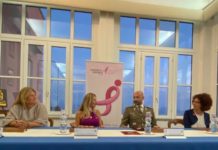

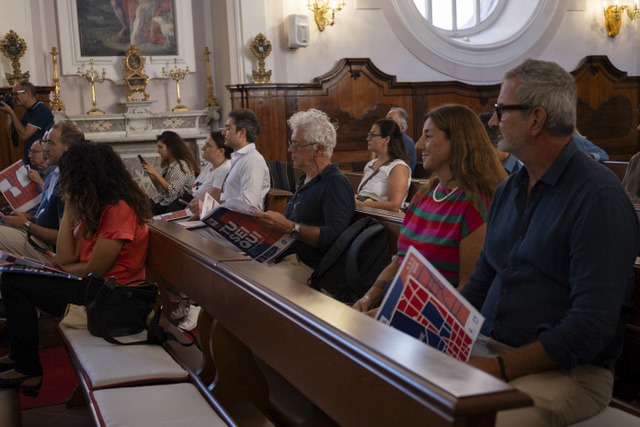
Un appuntamento molto atteso. Giunge al suo ottavo anno festival dell’architettura di Napoli, che in un weekend di visite guidate gratuite condurrà i cittadini alla scoperta dell’immenso patrimonio architettonico, urbanistico e artistico della città, raccontato con impegno e passione da oltre 600 volontari. Da 2 al 4 ottobre (in foto la recente presentazione della rassegna).
Realizzato con il contributo della Regione Campania – Direzione Generale Governo del Territorio, ai sensi della Legge Regionale 19/2019, e del Comune di Napoli, nell’ambito della propria programmazione culturale e in esito al bando “Cultura Napoli 2026”, Open House Napoli 2026 propone 160 appuntamenti in programma tra percorsi urbani, siti istituzionali, palazzi storici, case private, laboratori Kids, mostre ed eventi. Tra le novità l’esordio della nuova sezione Sconfinamenti, il festival nel festival che racconta la Città metropolitana, partendo dai Campi Flegrei.
La città di Napoli rappresenta soltanto un decimo dell’intera Città metropolitana. Perciò è necessario ampliare la prospettiva, gettando lo sguardo in direzione di un vasto territorio che non è indistinta periferia, bensì un multiforme mosaico urbano: quindi sconfinamenti è un festival nel festival, concentrato nella prima giornata del weekend – il venerdì 2 ottobre –, che a partire da quest’anno racconterà una dopo l’altra le tante anime della Città metropolitana.
Si parte dai Campi Flegrei, col loro dialogo inesausto tra terra e mare, natura e cultura, ricchi di una storia più antica della stessa Napoli. Una terra “ardente”, come dice il suo nome, ricca di un’energia che talvolta le si ritorce contro, come con i recenti fenomeni sismici.
Ci saranno anche 70 nuove aperture (il 43% del totale) per un ritratto della città che sarà raccontato da 603 volontari- numero record -i grandi protagonisti senza i quali il festival non sarebbe possibile, una comunità di donne e uomini tra studenti, architetti, insegnanti e cultori della città che condivideranno con i visitatori le loro competenze, voglia di fare ed entusiasmo.
Tra gli interventi architettonici lo Studentato nelle Ex Terme Tricarico a Bagnoli, recentissimo intervento di rigenerazione a opera dello studio Od’A Officina d’Architettura; le nuove stazioni EAV di Baia e Pozzuoli, tassello fondamentale per l’ampliamento della rete infrastrutturale su rotaia dei Campi Flegrei; le ville e appartamenti progettati dagli studi Manuarino e Pollice.
Di eccezionale valore è la Fondazione Real Monte Manso di Scala, istituita nel 1608 per sostenere i figli dei nobili decaduti. L’attuale sede, ex Seminario dei Nobili affidato ai Gesuiti, fu riorganizzata nel Settecento realizzando una chiesa straordinaria, unicum collocato al terzo piano e sovrapposto alla Cappella Sansevero. Chiusa negli anni Cinquanta e danneggiata dal sisma del 1980, la cappella è stata interamente restaurata dalla Fondazione nel 2009.
Da segnalare riaperture nel tessuto storico: la Chiesa e i Chiostri di San Giovanni a Carbonara, restituiti alla città grazie a un progetto di rigenerazione temporanea promosso da Chiesa di Napoli, Fondazione Napoli C’entro, Agenzia del Demanio, Comune e Soprintendenza ABAP per riscoprire un luogo simbolo del Rinascimento napoletano; la Basilica della Santissima Annunziata Maggiore, di origine angioina e riedificata su impianto tardo-barocco da Luigi Vanvitelli, autore del celebre “succorpo” sotterraneo, nota per la storica “ruota degli esposti” attiva fino al 1875; l’Arciconfraternita della Disciplina della Santa Croce a Forcella, la più antica confraternita laicale napoletana (1290), con finalità assistenziali e frequentata da tre papi e famiglie nobiliari.o alla Congiura dei Baroni del 1485.
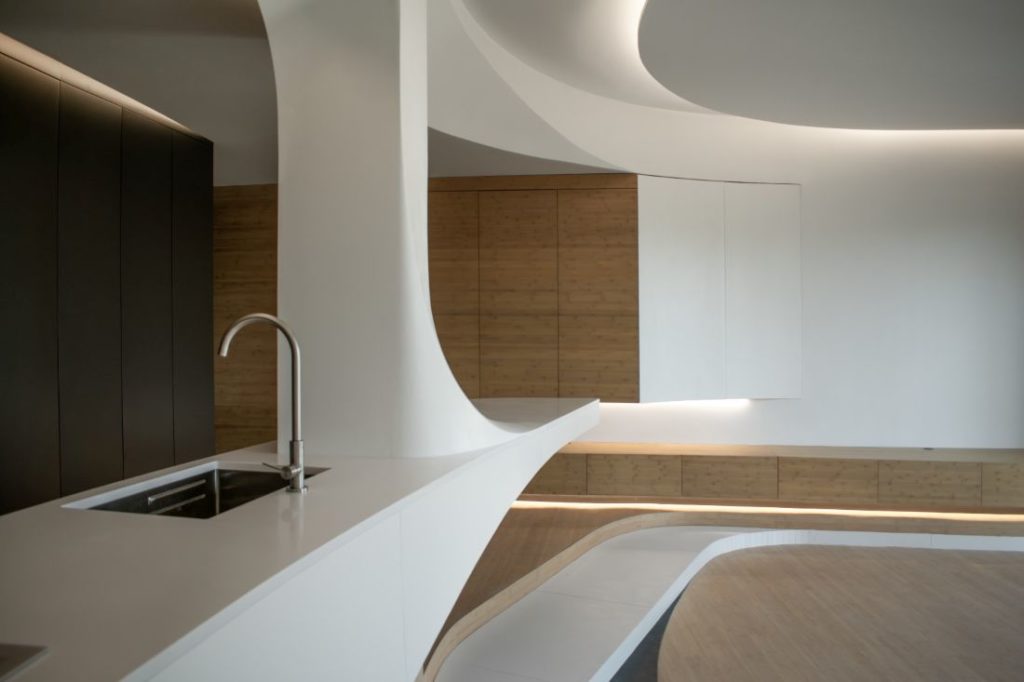
Sarà anche interessante scoprire il lavoro dei professionisti attraversp,per esempio, le forme sinuose di Casa Giò dello studio M Architettura di Mario Coppola, che asseconda la struttura curva di un edificio a via Crispi per disegnare un’abitazione dallo spazio fluido, morbido e immersivo l’ovattata eleganza altoborghese carica di memorie della Casa V al parco Grifeo di Vittorio Chiariello.Un appuntamento da non perdere per la ricchezza del programma e la possibilità di scoprire tanti volti della città.
Organizzato dall’associazione culturale Open’ness, che riunisce architetti, comunicatori, operatori culturali e creativi, Open House Napoli è parte di Open House Worldwide, network internazionale nato a Londra nel 1992 e presente oggi in 63 città dei 5 continenti – Roma, Milano e Torino le altre italiane – per dare forma al festival globale dell’architettura, stimolando i cittadini alla conoscenza del proprio contesto urbano.
Per saperne di più
Learn more
https://www.openhousenapoli.org/
Open House/ Crossing Boundaries: the city opens up its spaces, from the cloisters in the historic centre to the view over the Campi Flegrei
A long-awaited event. Now in its eighth year, the Naples Architecture Festival will, over a weekend of free guided tours, take residents on a journey of discovery through the city’s immense architectural, urban and artistic heritage, brought to life with dedication and passion by over 600 volunteers. From the 2nd to the 4th of October (pictured: the recent presentation of the festival).
Organised with the support of the Campania Region – Directorate-General for Territorial Governance, pursuant to Regional Law 19/2019, and the City of Naples, as part of its cultural programme and following the ‘Cultura Napoli 2026’ call for proposals, Open House Napoli 2026 offers a programme of 160 events, including urban walking tours, institutional sites, historic buildings, private homes, children’s workshops, exhibitions and events. Among the new features is the debut of the new ‘Sconfinamenti’ section, a festival within the festival that explores the metropolitan city, starting from the Campi Flegrei.
The city of Naples represents only one-tenth of the entire metropolitan area. It is therefore necessary to broaden our perspective, turning our gaze towards a vast territory that is not merely a vague periphery, but rather a multifaceted urban mosaic: thus, ‘Sconfinamenti’ is a festival within the festival, concentrated on the first day of the weekend – Friday 2 October – which, from this year onwards, will showcase, one after the other, the many facets of the Metropolitan City.
We begin with the Campi Flegrei, with their ceaseless dialogue between land and sea, nature and culture, a region with a history older than Naples itself. A ‘fiery’ land, as its name suggests, brimming with an energy that sometimes turns against it, as seen in the recent seismic events.
There will also be 70 new venues (43 per cent of the total), offering a portrait of the city brought to life by 603 volunteers – a record number – the key players without whom the festival would not be possible: a community of men and women comprising students, architects, teachers and city enthusiasts who will share their expertise, drive and enthusiasm with visitors.
There will also be 70 new venues (43 per cent of the total), offering a portrait of the city brought to life by 603 volunteers – a record number – the key players without whom the festival would not be possible: a community of men and women comprising students, architects, teachers and city enthusiasts who will share their expertise, drive and enthusiasm with visitors.
Among the architectural projects featured are the student accommodation in the former Tricarico Baths in Bagnoli, a very recent regeneration project by the Od’A Officina d’Architettura practice; the new EAV stations at Baia and Pozzuoli, a key element in the expansion of the rail infrastructure network in the Campi Flegrei; and the villas and flats designed by the Manuarino and Pollice practices.
Of exceptional value is the Real Monte Manso di Scala Foundation, established in 1608 to support the children of fallen nobles. Its current premises, the former Seminary for the Nobility entrusted to the Jesuits, were reorganised in the 18th century to create an extraordinary church – a unique structure situated on the third floor and superimposed upon the Sansevero Chapel. Closed in the 1950s and damaged by the 1980 earthquake, the chapel was fully restored by the Foundation in 2009.
Noteworthy are the reopenings within the historic fabric: the Church and Cloisters of San Giovanni a Carbonara, returned to the city thanks to a temporary regeneration project promoted by the Church of Naples, the Napoli C’entro Foundation, the State Property Agency, the City Council and the ABAP Superintendency to rediscover a place symbolic of the Neapolitan Renaissance; the Basilica of the Santissima Annunziata Maggiore, of Angevin origin and rebuilt in the late Baroque style by Luigi Vanvitelli – the architect of the famous underground ‘succorpo’ – known for its historic ‘foundling wheel’, which remained in use until 1875; the Archconfraternity of the Discipline of the Holy Cross at Forcella, the oldest lay confraternity in Naples (1290), dedicated to charitable works and frequented by three popes and noble families, or linked to the Conspiracy of the Barons of 1485.
It will also be interesting to discover the work of these professionals through, for example, the sinuous forms of Casa Giò by Mario Coppola’s M Architettura studio, which draws on the curved structure of a building on Via Crispi to design a home with a fluid, soft and immersive space; or the hushed, upper-middle-class elegance, steeped in memories, of Casa V in Parco Grifeo by Vittorio Chiariello. An event not to be missed, thanks to the richness of the programme and the chance to discover so many different facets of the city.
Organised by the cultural association Open’ness, which brings together architects, communicators, cultural practitioners and creatives, Open House Napoli is part of Open House Worldwide, an international network founded in London in 1992 and now present in 63 cities across five continents – Rome, Milan and Turin being the other Italian cities – to shape the global architecture festival, encouraging citizens to gain a deeper understanding of their urban environment.
__________________________