
“ Parthenope”. L’artista napoletano Lello Esposito ha svelato nel suo atelier di Palazzo sansevro 8piazza San Domenico Maggiore) l’opera dedicata al compleanno millenario della città di Napoli.
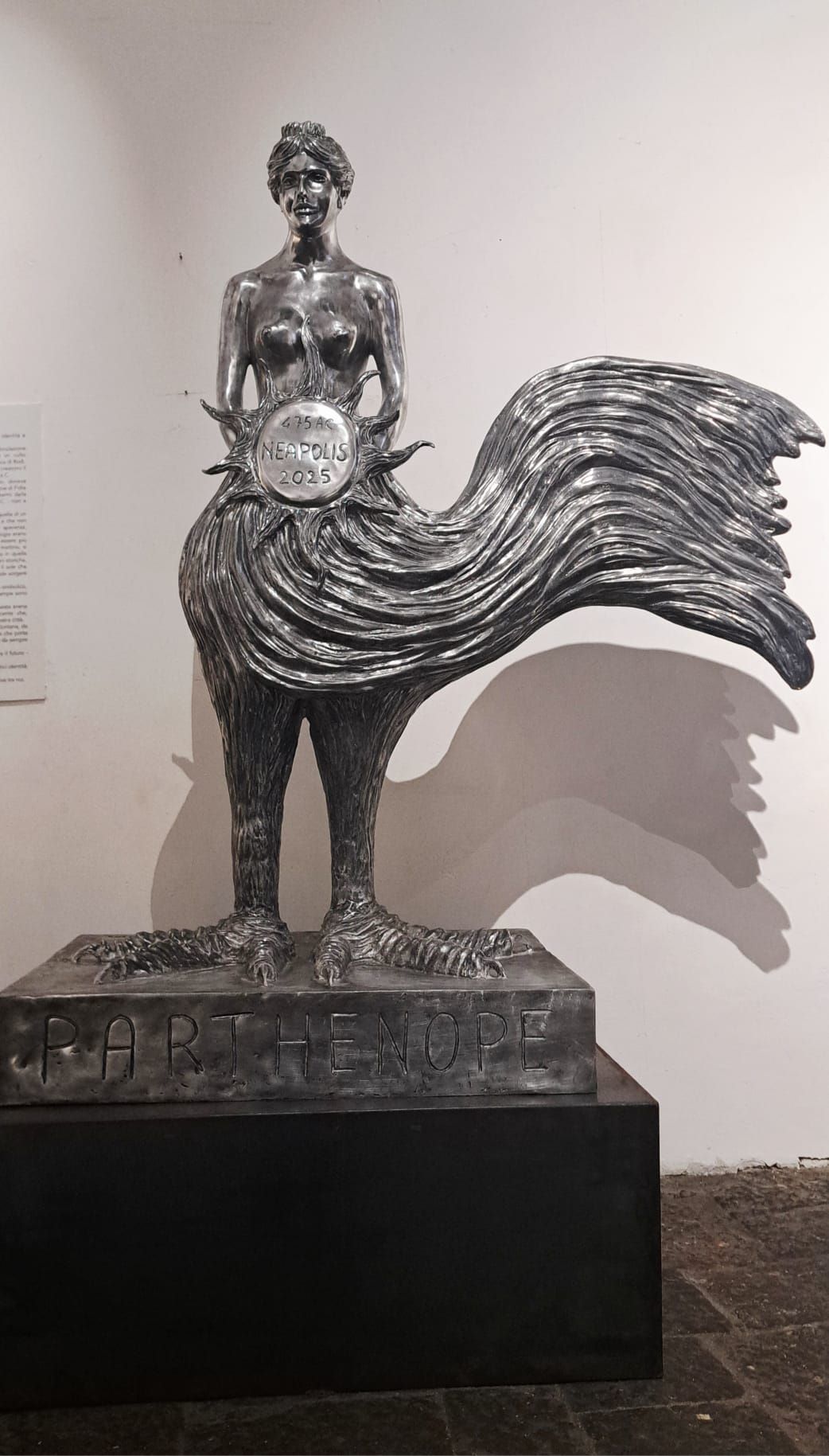
Realizzata in alluminio, la scultura rilegge il mito della Sirena, simbolo identitario cirraduno: un omaggio profondo alle radici di Napoli, scavando nel suo signficato profondo di speranza e rinascita.
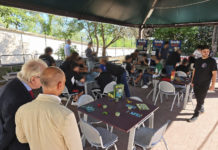
Durante la presentazione della scultura cui ha partecipato anche il sindaco Gaetano Manfredi, l’artista non ha nascosto il proprio entusiasmo: «Oggi ho, finalmente, svelato questa mia opera – realizzata per il compleanno della mia città alla quale, per circa 50 anni, ho dedicato il mio lavoro. La presenza del sindaco è stata per me una grande emozione, soprattutto nell’apprendere la volontà dell’amministrazione, di acquisire l’opera e destinarla stabilmente a Monte Echia. La Sirena ritorna lì dove nacque 2500 anni fa».
La Sirena di Esposito rispecchia un progetto artistico di identità e metamorfosi. C’è un’identità antica, quella di Parthenope, legata alla fondazione dell’omonimo insediamento nell’VIII sec. a.C. Il suo è un culto marinaio, che probabilmente viene addirittura dall’isola greca di Rodi. I suoi marinai, partiti per il mare aperto, sono gli stessi che crearono il primo insediamento da cui sarebbe nata Neapolis nel 475 a.C.
Una femminilità greca e antica, sul modello delle statue di Fidia e del Partenone. Mentre le zampe mostruose della Sirena sono un ulteriore gioco simbolico che unisce il Gallo ( che col suo canto del mattino, si riconnette al Sole) al Vulcano: le zampe sono infatti un Vesuvio rovesciato.
Le zampe di questa Parthenope rimandano a quella materia incandescente che, condensandosi, costituisce le fondamenta tufacee della nostra città. E tutto il suo essere guarda a una civiltà lontana costruita sull’accoglienza e lo scambio di culture ma si proietta nell’avvenire.
Neapolis 2500/ A symbol of rebirth, Lello Esposito’s Parthenope will find a permanent home at Monte Echia. A mermaid with rooster legs referring to Vesuvius (reversed)
‘Parthenope’. Neapolitan artist Lello Esposito revealed his work dedicated to the millennial birthday of the city of Naples in his studio at Palazzo Sansevro (Piazza San Domenico Maggiore).
Made of aluminium, the sculpture reinterprets the myth of the Siren, a symbol of identity: a profound homage to the roots of Naples, delving into its deep meaning of hope and rebirth.
During the presentation of the sculpture, which was also attended by Mayor Gaetano Manfredi, the artist did not hide his enthusiasm: ‘Today, I have finally unveiled my work, created for the birthday of my city, to which I have dedicated my work for about 50 years. The mayor’s presence was very emotional for me, especially when I found out that the administration intends to acquire the work and place it permanently in Monte Echia. The Siren returns to where she was born 2,500 years ago’.
Esposito’s Sirena reflects an artistic project of identity and metamorphosis. There is an ancient identity, that of Parthenope, linked to the foundation of the settlement of the same name in the 8th century BC. Hers is a seafaring cult, which probably even comes from the Greek island of Rhodes. Her sailors, who set out to sea, are the same ones who created the first settlement from which Neapolis would be born in 475 BC.
An ancient Greek femininity, modelled on Phidias’ statues and the Parthenon. Meanwhile, the monstrous legs of the Siren are a further symbolic play that links the Rooster (which, with its morning song, reconnects with the Sun) to Vulcan: the legs are in fact an inverted Vesuvius.
The legs of this Parthenope refer to the incandescent matter that, condensing, forms the tuffaceous foundations of our city. Her whole being looks back to a distant civilisation built on hospitality and cultural exchange, but she also projects herself into the future.
.