
Un appuntamento molto atteso. Quello delle giornate Fai d’autunno. Più di 700 luoghi straordinari, molti dei quali solitamente inaccessibili o poco conosciuti, apriranno eccezionalmente le loro porte in occasione della 15ª edizione dell’iniziativa.
Sabato 10 e domenica 11 ottobre in 350 città d’Italia il pubblico potrà scoprire l’immenso patrimonio storico, artistico e ambientale che ci circonda, grazie alle visite a contributo libero che per due giorni daranno vita a un grande racconto diffuso e corale, fatto di monumenti, architetture, paesaggi, opere d’arte, tradizioni e storie che rappresentano i territori e le comunità che li vivono.
Dagli edifici monumentali ai teatri, dalle chiese ai luoghi dell’educazione, dalle aree naturalistiche ai castelli, passando per collezioni d’arte, esempi di architettura contemporanea e siti insoliti e curiosi, la varietà delle aperture proposte sarà come sempre ampia e sorprendente.
Tra i quaranta sono i siti in Campania da esplorare a Napoli c’è il Polo delle Arti Caselli-Palizzi, realtà culturale e formativa di riferimento, nata con l’obiettivo di promuovere e valorizzare l’arte nelle sue molteplici espressioni.
Aprirà le sue porte, nel cuore storico di Napoli, alle spalle di Piazza del Plebiscito, il Liceo artistico, coreutico e musicale Palizzi, ospitato in uno storico edificio di grande valore. Sarà possibile visitare gli storici laboratori di grafica, oreficeria e metalli e ceramica, entrando nel vivo delle attività attraverso cui generazioni di studenti e maestri hanno contribuito alla tradizione artistica dell’Istituto.
Il percorso comprenderà inoltre il Mai Museo artistico industriale con la straordinaria sala produzioni e la Sala Novecento. Un’occasione per scoprire un luogo in cui la scuola diventa patrimonio culturale e dove la formazione artistica si intreccia con la storia della città. Visite a cura degli studenti del Liceo “Filippo Palizzi” e volontari Delegazione Fai di Napoli.
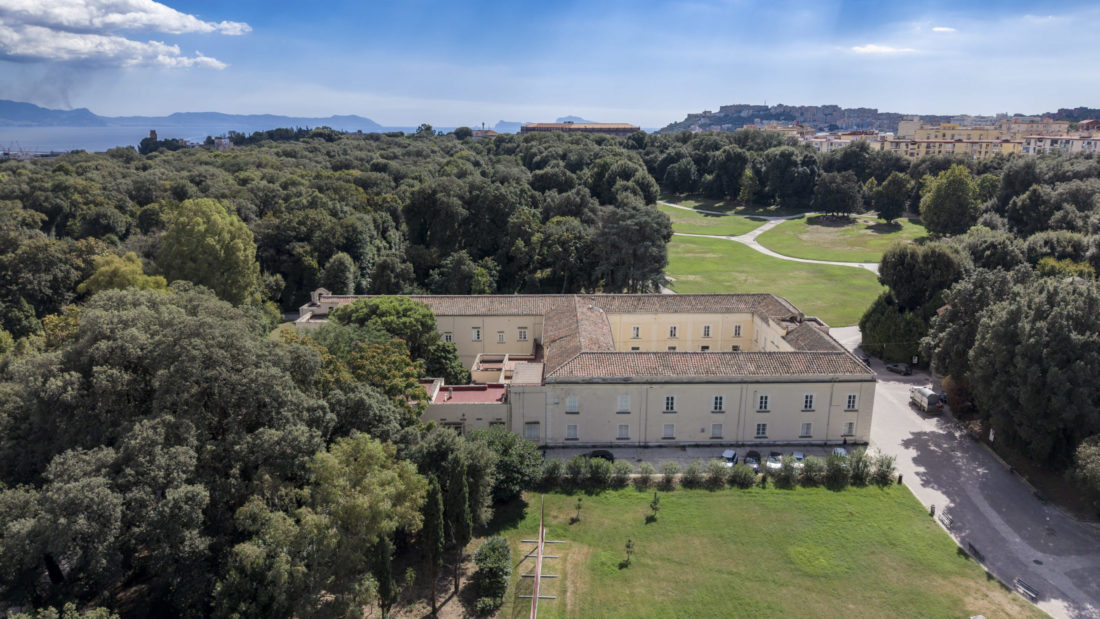
Nel Parco di Capodimonte aprirà invece l’Istituto Superiore Caselli, riconosciuto dal 2017 come istituto a indirizzo taro, realtà unica in Italia per la formazione di tecnici specializzati nel campo della ceramica e della porcellana.
Fondato nel 1961, per preservare e rinnovare la grande tradizione napoletana, ospita la scuola e le attività produttive negli stessi edifici storici, mantenendo viva una tradizione artigianale di straordinario valore. A rendere ancora più speciale la visita sarà l’apertura eccezionale della Chiesa di San Gennaro, possibile grazie alla collaborazione con il Museo e Real Bosco di Capodimonte.
La chiesa, riaperta dopo circa cinquant’anni, fu costruita nel 1745 dall’architetto e scenografo Ferdinando Sanfelice per volontà di Carlo di Borbone. L’edificio è stato oggetto di un importante intervento decorativo dell’architetto Santiago Calatrava, che ha reinterpretato lo spazio attraverso un progetto dedicato alla luce di Napoli e alla tradizione dell’artigianato artistico locale, le cui opere sono state realizzate nei laboratori del Caselli attraverso un lavoro condiviso tra studenti e maestri ceramisti. Visite a cura degli studenti dell’Istituto “Caselli” e volontari Delegazione FAI di Napoli.
Non poteva mancare, nemmeno quest’anno la possibilità di visitare Villa Rosebery ( ma l’ingresso su prenotazione riservato agli iscritti FAI) che dal 1957 è in dotazione della Presidenza della Repubblica. Si potrà accedere al Parco, che unisce la flora mediterranea allo stile del giardino inglese, alla Casina Borbonica con le sue sale di rappresentanza, fino alla Darsena per poi concludere il percorso nella Grande Foresteria. Visite a cura dei narratori della Delegazione FAI di Napoli e visite in lingua a cura del Gruppo FAI Ponte tra Culture di Napoli (Francese, Wolof, Ucraino e Bambara).
Nel comune di Pozzuoli invece apriranno i Depositi archeologici del Rione Terra, un’apertura straordinaria che permetterà di scoprire i due storici serbatoi progettati da Pier Luigi Nervi, oggi custodi di migliaia di reperti provenienti dal Rione Terra e dall’antica Puteoli. Durante le giornate FAI sarà possibile entrare negli spazi e ammirare statue, busti, iscrizioni ed elementi architettonici provenienti dal Tempio di Augusto e da altri monumenti della città antica. Apertura in collaborazione con la Soprintendenza Archeologia Belle Arti e Paesaggio per l’area metropolitana di Napoli. Ingresso su prenotazione.
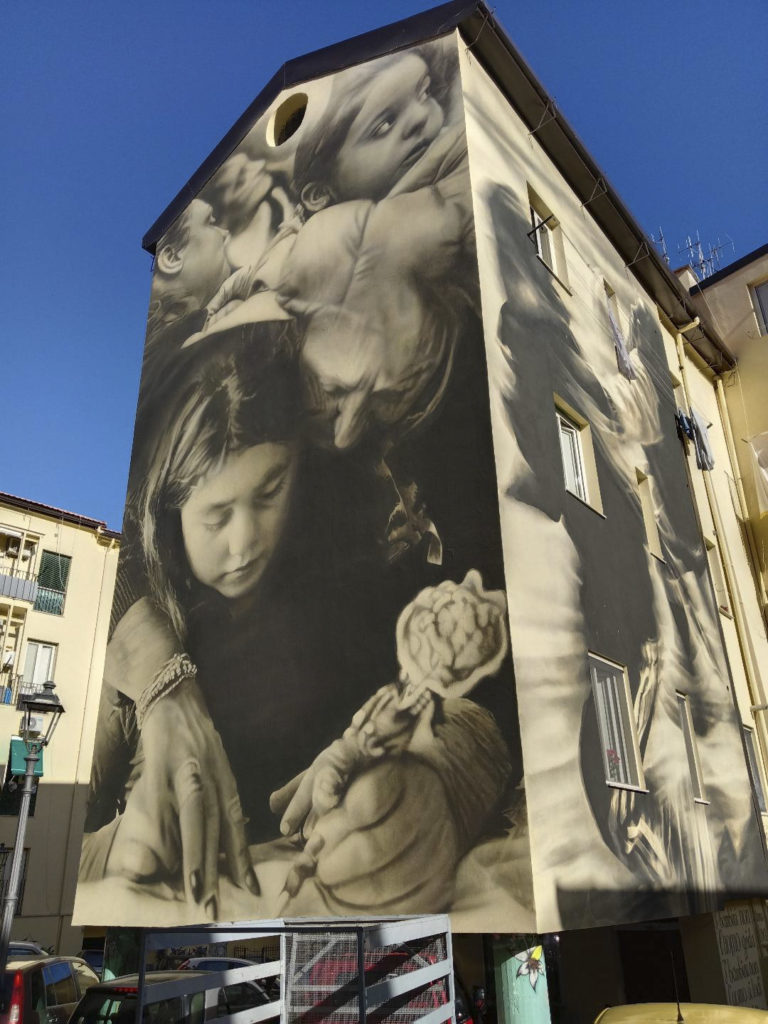
Tra le visite nelle altre province, segnaliamo a Salerno si avrà la possibilità di conoscere più a fondo il Quartiere delle Fornelle, dal toponimo originario “formae” legato all’esistenza di piccoli scorrimenti d’acqua. In occasione delle Giornate FAI si potranno scoprire i nuovi murales del quartiere realizzati dall’artista australiano Guido Van Helten. La Chiesa di Santa Trofimena nel cuore del rione Fornelle, dove sarà possibile ammirare il ritrovato affresco medievale raffigurante la Madonna in trono con Gesù e godere della suggestiva illuminazione che valorizza i resti della chiesa longobarda sotto l’attuale pavimento. Aperta solo per iscritti Fai.
Per saperne di più
Learn more
www.giornatefai.it
FAI Autumn Open Days / The Caselli Palizzi Center of Art opens its doors in Naples, offering visitors the chance to explore graphic art, jewellery and ceramics
A much-anticipated event: the FAI Autumn Open Days. More than 700 extraordinary sites, many of which are usually inaccessible or little-known, will open their doors exceptionally for the 15th edition of the initiative.
On Saturday the 10th and Sunday the 11th of October, in 350 towns and cities across Italy, the public will be able to discover the immense historical, artistic and environmental heritage that surrounds us, thanks to visits with a voluntary donation which, over the course of two days, will bring to life a vast, widespread and collective narrative, comprising monuments, architecture, landscapes, works of art, traditions and stories that represent the regions and the communities that inhabit them.
From monumental buildings to theatres, from churches to educational venues, from nature reserves to castles, via art collections, examples of contemporary architecture and unusual and intriguing sites, the variety of venues on offer will, as always, be vast and surprising.
Among the forty sites in Campania to explore, one in Naples is the Caselli-Palizzi Arts Centre, a leading cultural and educational institution founded with the aim of promoting and celebrating art in its many forms.
The Palizzi School of Art, Dance and Music will open its doors in the historic heart of Naples, just behind Piazza del Plebiscito, housed in a historic building of great significance. Visitors will be able to explore the historic workshops for graphic design, goldsmithing, metalwork and ceramics, gaining an insight into the activities through which generations of students and teachers have contributed to the school’s artistic tradition.
The tour will also include the Mai Museum of Industrial Art, featuring its extraordinary production hall and the Sala Novecento. This is an opportunity to discover a place where the school becomes part of the cultural heritage and where artistic education is intertwined with the city’s history. Guided tours will be led by students from the ‘Filippo Palizzi’ High School and volunteers from the Naples branch of the FAI.
Meanwhile, in Capodimonte Park, the Caselli Higher Institute will open its doors; recognised since 2017 as a specialised institution, it is unique in Italy for training technicians specialising in the field of ceramics and porcelain.
Founded in 1961 to preserve and revitalise the great Neapolitan tradition, it houses the school and its production facilities within the same historic buildings, keeping alive a craft tradition of extraordinary value. To make the visit even more special, there will be a special opening of the Church of San Gennaro, made possible thanks to the collaboration with the Capodimonte Museum and Royal Park.
The church, reopened after some fifty years, was built in 1745 by the architect and set designer Ferdinando Sanfelice at the behest of Charles of Bourbon. The building has undergone a major decorative restoration by the architect Santiago Calatrava, who has reinterpreted the space through a project dedicated to the light of Naples and the tradition of local artistic craftsmanship; the works were created in the Caselli workshops through a collaborative effort between students and master potters. Guided tours will be led by students from the ‘Caselli’ Institute and volunteers from the FAI Delegation in Naples.
Once again this year, visitors will have the chance to visit Villa Rosebery (though entry is by booking only and reserved for FAI members), which has been the property of the Presidency of the Republic since 1957. Visitors will be able to explore the park – which combines Mediterranean flora with the style of an English garden – the Casina Borbonica with its state rooms, on to the Darsena, and finally the Grande Foresteria. Tours will be led by guides from the FAI Delegation in Naples, with tours in other languages organised by the FAI ‘Ponte tra Culture’ Group in Naples (French, Wolof, Ukrainian and Bambara).
In the municipality of Pozzuoli, meanwhile, the Rione Terra Archaeological Depositories will open their doors for a special event, offering visitors the chance to explore the two historic reservoirs designed by Pier Luigi Nervi, which today house thousands of artefacts from Rione Terra and ancient Puteoli. During the FAI Open Days, visitors will be able to enter these spaces and admire statues, busts, inscriptions and architectural elements from the Temple of Augustus and other monuments of the ancient city. This opening is organised in collaboration with the Superintendence for Archaeology, Fine Arts and Landscape for the Naples metropolitan area. Admission by booking only.
Among the visits to other provinces, we would like to highlight that in Salerno you will have the chance to explore the Fornelle neighbourhood in greater depth; its original name, ‘formae’, is linked to the presence of small watercourses. During the FAI Open Days, visitors will be able to discover the neighbourhood’s new murals, created by the Australian artist Guido Van Helten.
The Church of Santa Trofimena, in the heart of the Fornelle district, offers the chance to admire the rediscovered medieval fresco depicting the Madonna Enthroned with Jesus and to enjoy the evocative lighting that highlights the remains of the Lombard church beneath the current floor. Open only to FAI members
Sul sito delle Giornate FAI d’Autunno è possibile consultare orari, giorni di visita, modalità di partecipazione e gli approfondimenti sui luoghi: www.giornatefai.it (l’accesso ad alcuni siti è riservato agli iscritti al FAI).
.
(elenco dei luoghi aperti e modalità di visita su www.giornatefai.it).