
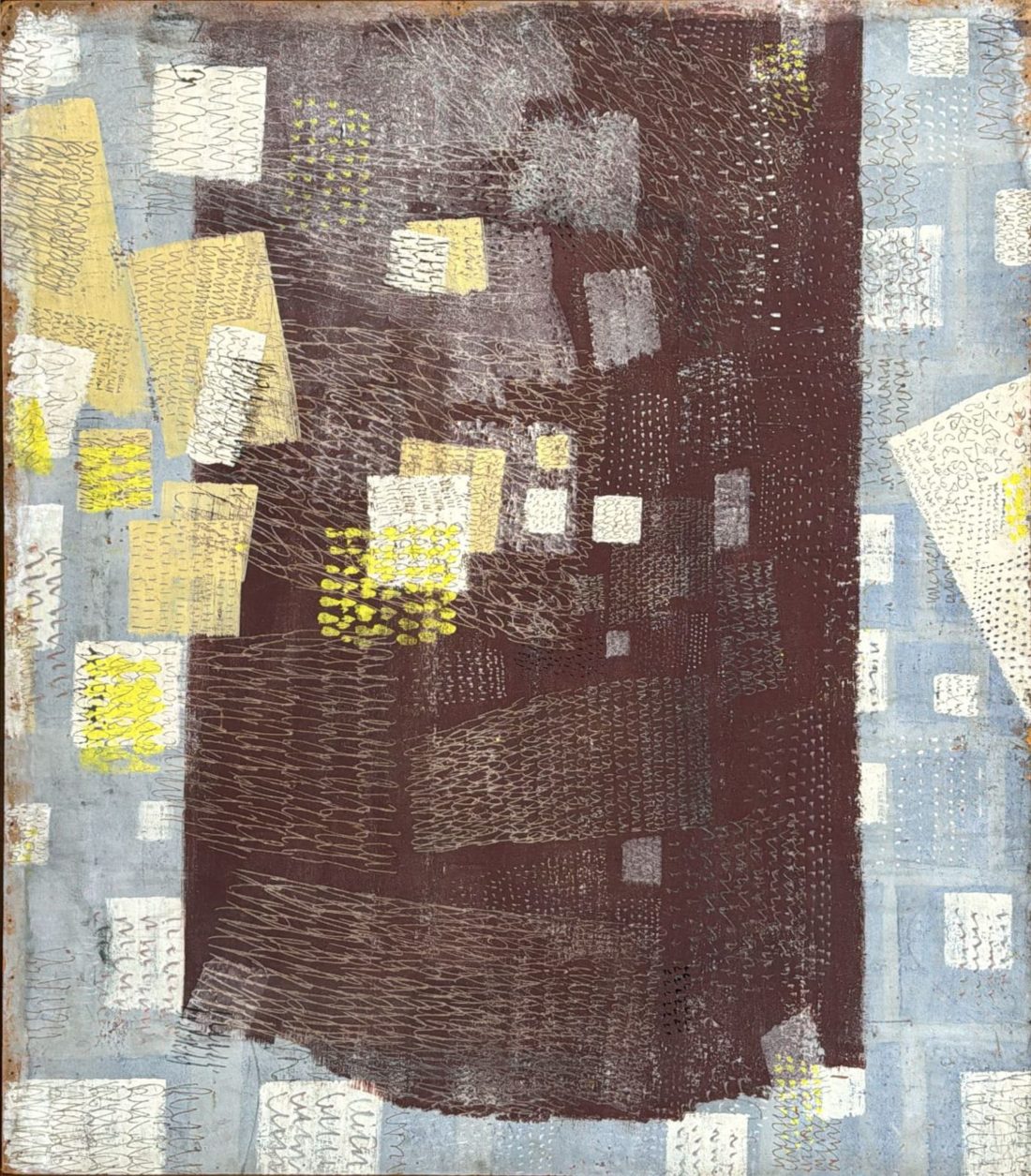
“Riccardo Licata, Gino Morandis e Tancredi Parmeggiani. Storie d’arte e d’amicizia”. Tre protagonisti del movimento spazialista, uniti da un’amicizia profonda e da una stagione irripetibile dell’arte italiana del Dopoguerra, tornano a dialogare in una mostra che ne celebra la forza creativa e la reciproca influenza.
Dal 19 dicembre (inaugurazione ore 19) al 2 febbraio 2026, l’atrio del Museo archeologico nazionale accoglie l’arte contemporanea: l’Atrio monumentale, come spazio di snodo e di accoglienza, in attesa della conclusione dei lavori che offriranno al museo una nuova area espositiva.
L’esposizione, a cura di Giovanni Granzotto con Stefano Cecchetto (in collaborazione Giordano Bruno Guerri) e organizzata da Il Cigno in collaborazione con Studio d’Arte GR, presenta quarantadue dipinti; il percorso parte dall’analisi del legame umano e artistico che unì Licata, Morandis e Tancredi Parmeggiani sin dagli anni giovanili, quando condivisero atelier, esperienze e riflessioni sulle nuove frontiere della pittura, partecipando ai movimenti spazialisti e firmandone talvolta i manifesti. Un esempio emblematico di questa vicinanza è il ritratto di Licata realizzato da Tancredi — un’opera rara e significativa che testimonia l’intensità del rapporto tra i due pittori.
Dal secondo dopoguerra fino alla metà degli anni sessanta: è il periodo in cui la loro ricerca si intrecciò maggiormente, prima della morte prematura di Tancredi. Per Licata e Morandis, il percorso proseguì anche nei decenni successivi, mostrando l’evoluzione dei loro linguaggi artistici.
Un’occasione per conoscere i primi esperimenti spazialisti di Riccardo Licata, tra la fine degli anni Quaranta e inizio anni Cinquanta, tutti plasmati dalla sua esigenza di coniugare lo “spazio” naturale, con lo spazio assoluto della storia, in particolare della storia antica, e il successivo sviluppo del “magico alfabeto”, scrittura pittorica sospesa tra segno e luce.
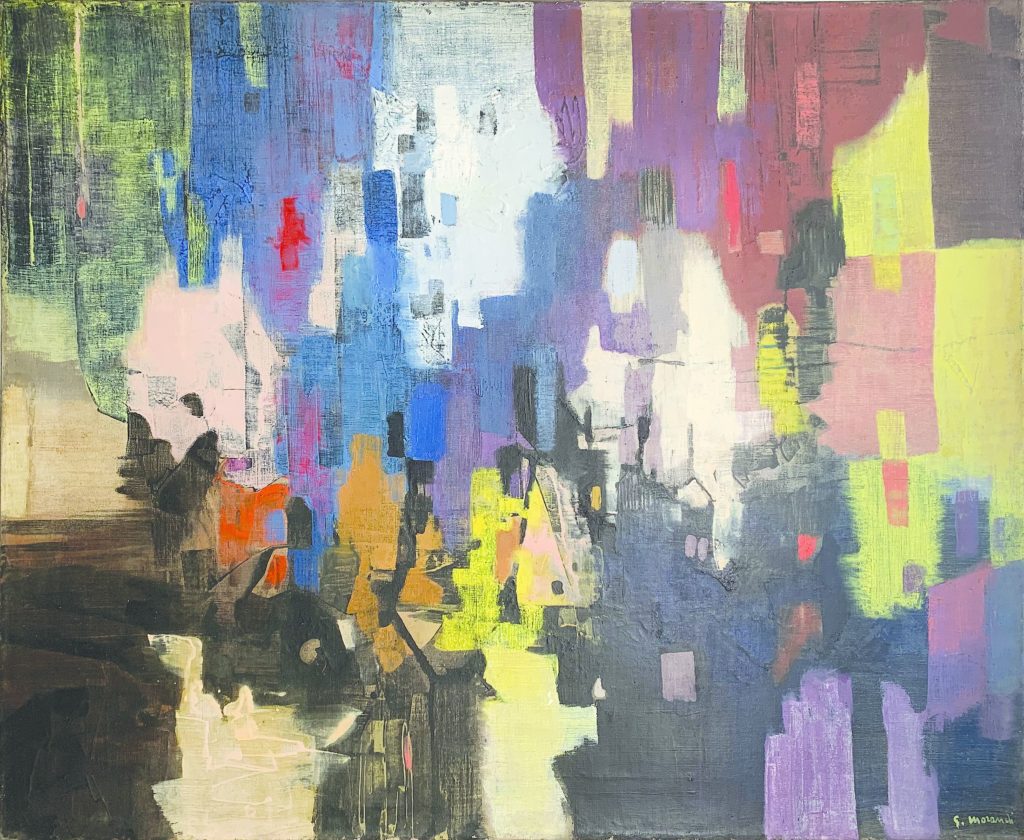
L’inizio dell’esperienza artistica di Gino Morandis è rappresentato dalle tempere del 1948-50, testimoni delle prime prove spazialiste che univano luce e colore in una dimensione lirica e visionaria, per poi proseguire con i campi cromatici degli anni successivi, dove convivono suggestioni atomiche e siderali.
Infine, la ricerca pittorica di Tancredi: dalle opere del periodo “dripping” alle “primavere”, dalle “serre” agli “omaggi”, fino alle ultime serie delle “facezie” e dei “matti”, in cui si intrecciano libertà espressiva e tensione poetica.
Durante l’inaugurazione della mostra, il Mann prorogherà la sua apertura sino alle ore 23.30 al prezzo promozionale di 5 euro.
Per saperne di più
Learn more
https://www.museoarcheologiconapoli.it/
The exhibition at the Mann/ Riccardo Licata, Gino Morandis and Tancredi Parmeggiani: three stories of art and friendship. That spatialist movement from the second post-war period
Riccardo Licata, Gino Morandis and Tancredi Parmeggiani. Stories of art and friendship. Three leading figures of the Spatialist movement, united by a deep friendship and an unrepeatable period in post-war Italian art, return to dialogue in an exhibition that celebrates their creative power and mutual influence.
From the 19th of December (opening at 7 p.m.) to the 2nd of February 2026, the atrium of the National Archaeological Museum welcomes contemporary art: the monumental atrium, as a hub and reception area, awaiting the completion of works that will provide the museum with a new exhibition area.
The exhibition, curated by Giovanni Granzotto with Stefano Cecchetto (in collaboration with Giordano Bruno Guerri) and organised by Il Cigno in collaboration with Studio d’Arte GR, presents forty-two paintings; the exhibition begins with an analysis of the human and artistic bond that united Licata, Morandis and Tancredi Parmeggiani from their youth, when they shared studios, experiences and reflections on the new frontiers of painting, participating in the spatialist movements and sometimes signing their manifestos. An emblematic example of this friendship is Tancredi’s portrait of Licata, a rare and significant work that testifies to the intensity of the relationship between the two painters.
From the post-war period to the mid-1960s: this was the period in which their research became most intertwined, before Tancredi’s untimely death. For Licata and Morandis, the journey continued in the following decades, showing the evolution of their artistic languages.
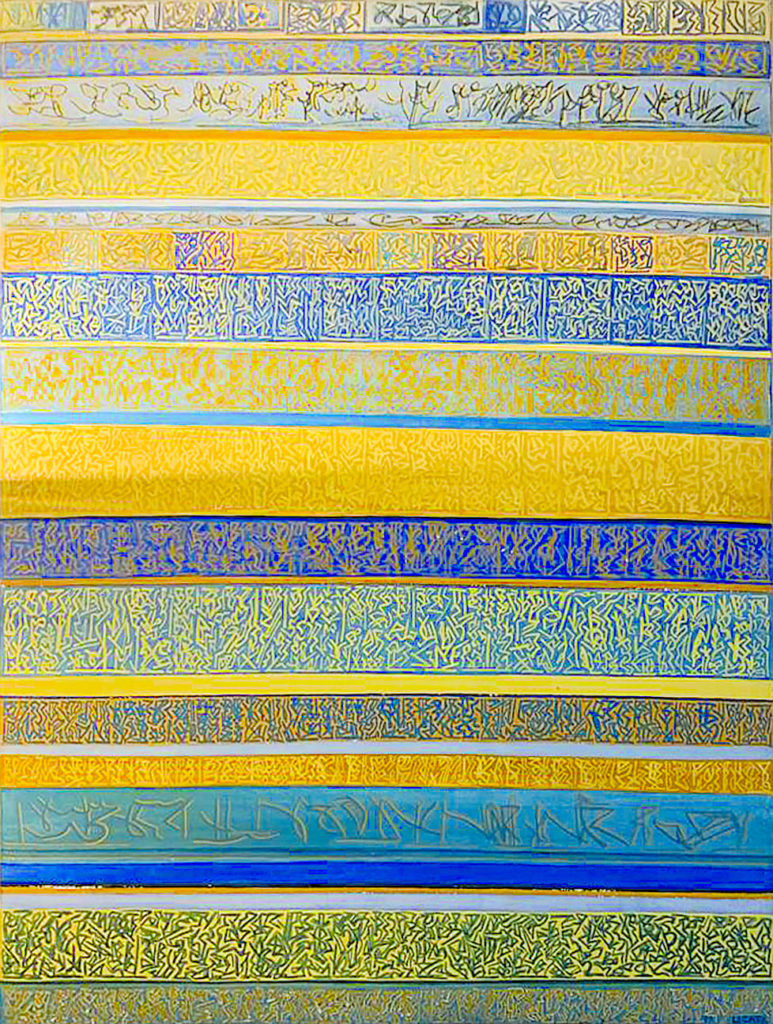
This is an opportunity to learn about Riccardo Licata’s early spatialist experiments in the late 1940s and early 1950s, all shaped by his need to combine natural “space” with the absolute space of history, particularly ancient history, and the subsequent development of the “magical alphabet”, a pictorial writing suspended between sign and light.
The beginning of Gino Morandis’ artistic experience is represented by the tempera paintings of 1948-50, evidence of his early Spatialist experiments that combined light and colour in a lyrical and visionary dimension, followed by the chromatic fields of the following years, where atomic and sidereal suggestions coexist.
Finally, Tancredi’s pictorial research: from the works of the “dripping” period to the “springs”, from the “greenhouses” to the “homages”, up to the latest series of “jokes” and “madmen”, in which expressive freedom and poetic tension intertwine.
During the exhibition opening, the Mann will extend its opening hours until 11.30 p.m. at a promotional price of €5.