
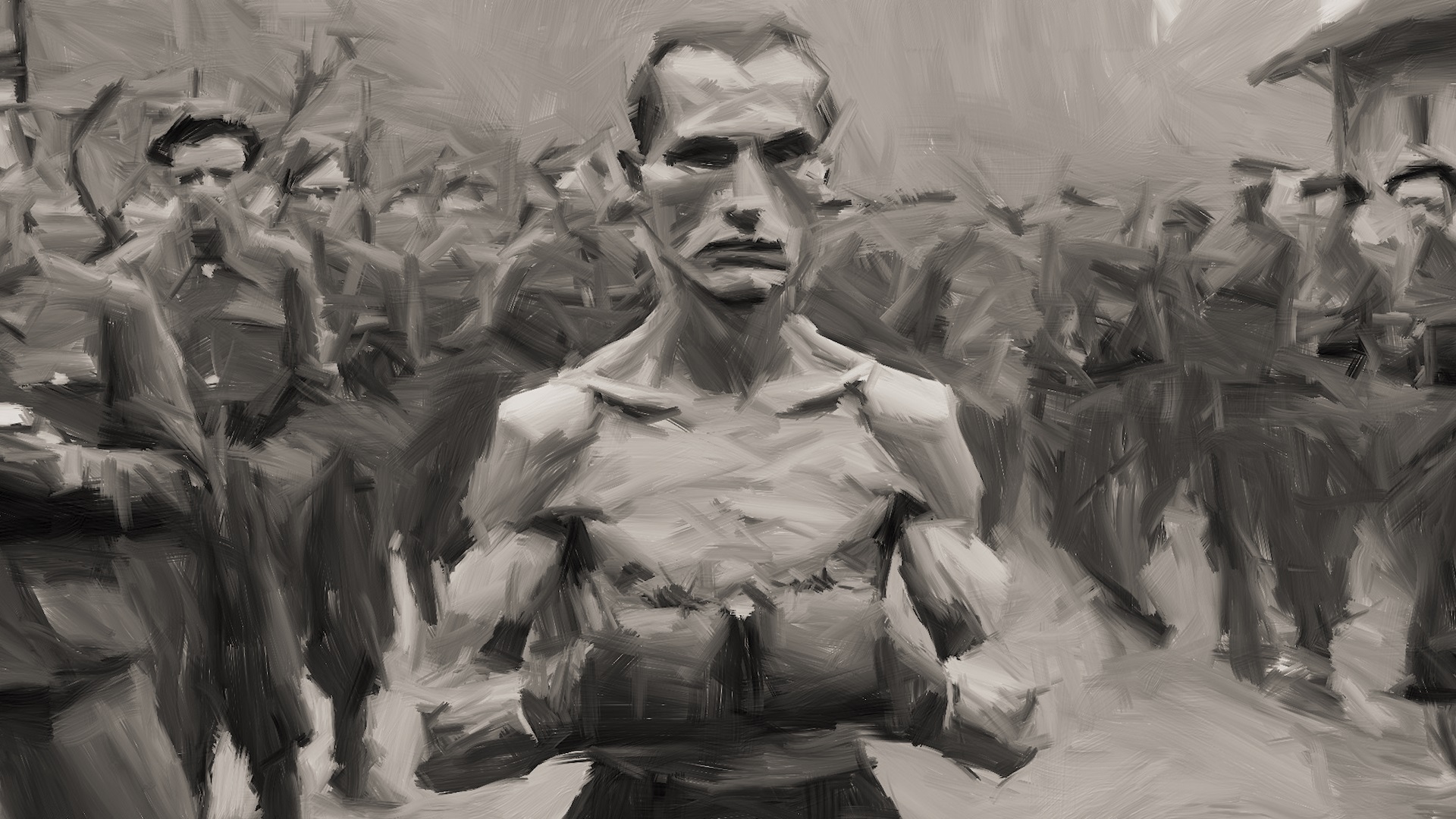
Viene da Scampia, Rukeli. Corto d’animazione che arriva vincitore tra i Nastri d’Argento 2026. L’opera (foto) è diretta da Alessandro Rak, nata nel quartiere della periferia Nord di Napoli e precisamente nei laboratori di chi rom e…chi no con un gruppo di ragazzi napoletani e rom, scritta da Biagio di Bennardo e Emma Ferulano.
Prodotto da AntropicA, Rukeli è una co-produzione Sideways Studios, Film i Väst in associazione con Mad Entertainment, in collaborazione con Rai Cinema, realizzata con il supporto di Film Commission Regione Campania, distribuzione a cura di Premiere Film, proiettato in anreprima alla 82° Mostra Internazionale dʹArte Cinematografica della Biennale di Venezia, sezione Orizzonti Corti come unico Fuori Concorso.
Il lavoro è durato mesi ed è arrivato sul grande schermo grazie alla regia e al tocco magico di Alessandro Rak. Il corto è un piccolo gioiello di animazione e poesia, che diventa il simbolo di tutte le storie di oppressione e di riscatto. È dedicato alla piccola Michelle Seferovic, morta il 13 gennaio 2024 nel campo di Giugliano (Napoli), vittima innocente dell’abbandono e della discriminazione razziale.
Il gruppo di giovani rom e non di Scampia e di Giugliano è andato sulle tracce del Porrajmos/Samudaripen durante il quale ci fu il genocidio di 500mila rom e sinti nei campi di sterminio destinati agli “zingari” dal 1936 al 1945.
Il racconto del genocidio dei rom per mano dei nazisti è iniziato come una favola macabra in un passato fumoso e senza un immediato collegamento con le esperienze di vita dei giovani coinvolti che hanno approfondito e studiato il tema.
E in questa ricerca si sono innamorati della storia di un pugile sinto tedesco, Johann Wilhelm Trollmann, soprannominato Rukeli che vuol dire albero nella lingua romanès, chiamato così per la sua statura imponente e i capelli ricci, e anche Gipsy, soprannome che si farà cucire sui pantaloncini.
Rukeli è un sinto, cioè appartenente alla piú ampia comunità romanès, che diventa campione nazionale dei pesi mediomassimi in Germania, in un momento storico in cui la boxe è uno sport che conferisce un certo prestigio agli stati. È anche per questo che con l’ascesa e il consolidamento del nazismo, inizia la sua persecuzione, che lo porta a perdere tutto.
Con le leggi razziali Trollman viene arrestato e deportato a Wittenberge e Neuengamme. Ma prima ancora, per strappargli il titolo, il «Reich millenario» lo fa scontrare con un peso massimo. Rinchiuso in un campo di concentramento, nel 1944, decide di andarsene da campione, a 37 anni, quando, ridotto pelle e ossa, viene sfidato dal suo kapò e vince. E per questo affronto verrà ucciso.
Così Rukeli diventa il simbolo di tutte le storie di oppressione e di riscatto.
GUARDA IL TRAILER RUKELI
Silver Ribbons / The short film Rukeli, directed by Alessandro Rak, wins. Story of the champion boxer who challenged his kapo (in the Lager)
It’s from Scampia, Rukeli. The animated short film that won the 2026 Nastri d’Argento Awards. The work (photo) is directed by Alessandro Rak, born in the neighborhood on the northern outskirts of Naples and specifically in the workshops of Roma and…who not with a group of Neapolitan and Roma children, written by Biagio di Bennardo and Emma Ferulano.
Produced by AntropicA, Rukeli is a co-production Sideways Studios, Film i Väst in association with Mad Entertainment, in collaboration with Rai Cinema, made with the support of Film Commission Regione Campania, distributed by Premiere Film, screened in preview at the 82° Venice Biennale International Film Festival, Orizzonti Corti section as the only Out of Competition.
The work lasted months and reached the big screen thanks to the direction and magical touch of Alessandro Rak. The short is a small gem of animation and poetry, which becomes the symbol of all stories of oppression and redemption. It is dedicated to little Michelle Seferovic, who died on January 13, 2024 in the Giugliano camp (Naples), an innocent victim of abandonment and racial discrimination.
The group of young Rom and non-Rom people from Scampia and Giugliano went on the trail of the Porrajmos/Samudaripen during which there was the genocide of 500 thousand Roma and Sinti in the extermination camps intended for the “Gypsies” from 1936 to 1945.
The story of the genocide of the Rom at the hands of the Nazis began as a macabre tale in a vague past and without an immediate connection to the life experiences of the young people involved who explored and studied the topic in depth.
And in this research they fell in love with the story of a German Sinto boxer, Johann Wilhelm Trollmann, nicknamed Rukeli which means tree in the Romanès language, so called for his imposing stature and curly hair, and also Gipsy, a nickname he will have sewn onto his shorts.
Rukeli is a Sinto, that is, a member of the larger Romani community, who became national light heavyweight champion in Germany, at a time when boxing is a sport that confers a certain prestige on the states. It is also why with the rise and consolidation of Nazism, his persecution begins, which leads him to lose everything.
Under the racial laws Trollman was arrested and deported to Wittenberge and Neuengamme. But before that, to wrest the title from him, the «millennial Reich» pits him against a heavyweight. Locked up in a concentration camp in 1944, he decided to leave as a champion, when, skin and bones reduced, he was challenged by his kapo and won. And for this affront he will be killed.
Thus Rukeli becomes the symbol of all stories of oppression and redemption