
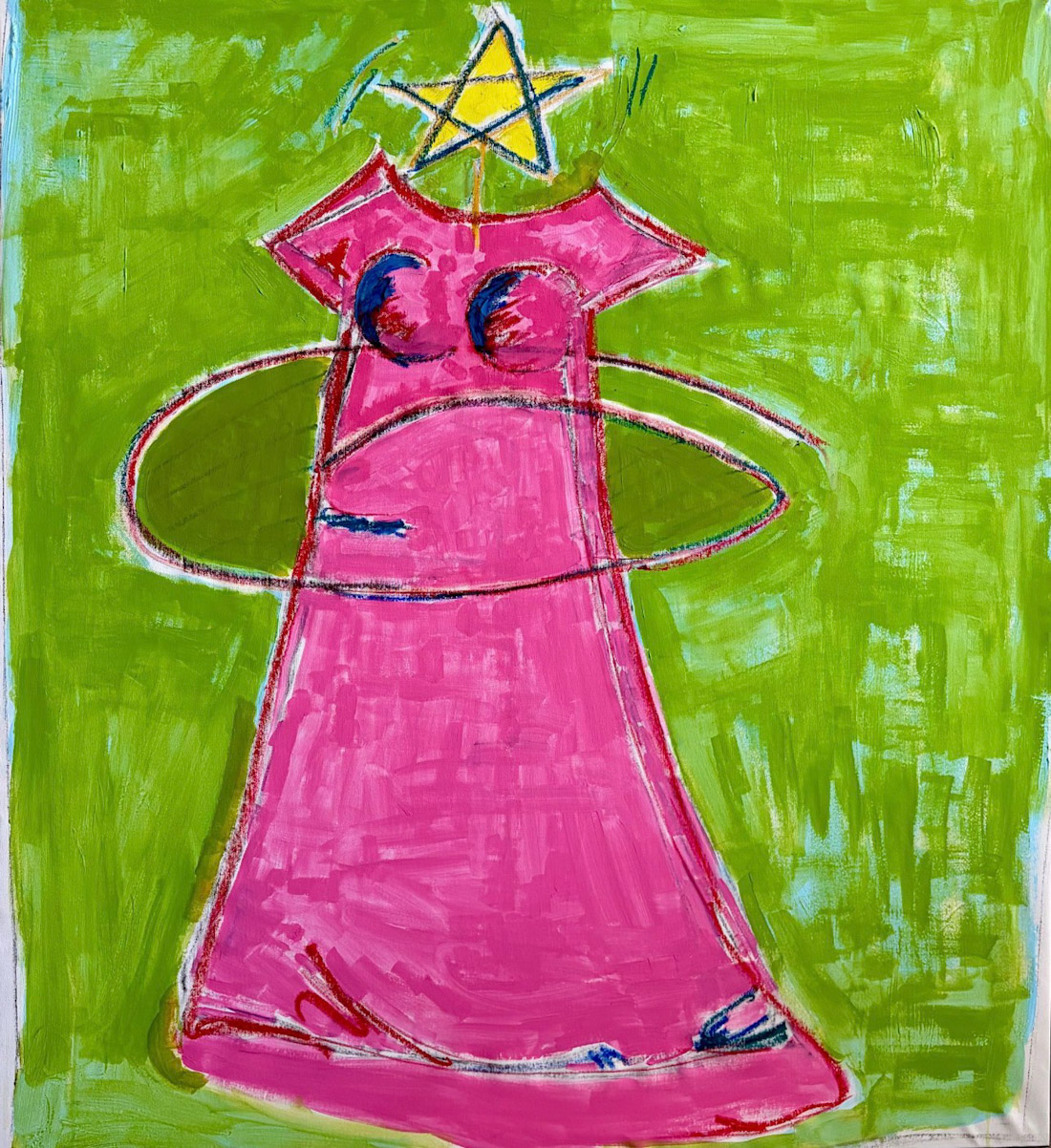
«I don’t care, I Am invisible». Gli abiti vuoti di Claudia Piscitelli al Museo della Moda di Napoli. Dal 14 maggio fino al 14 settembre in mostra dieci opere (foto), che raccontano archetipi femminili tra ironia e memoria.
L’esposizione è curata da Barbara Crespigni (domani alle 11 conferenza stampa) e dedicata a Tito Piscitelli, che ha speso la vita per sostenere e incoraggiare all’espressione libera bambini e giovani brasiliani e napoletani attraverso il teatro.
Ecco le opere che saranno esposte: “La vedova”/ the widow “L’amante”/the lover, “La viaggiatrice”/ the traveler, “Biancaneve”/ Snowhite, “L’amica triste”/ the sad friend, “La sposa”/ the bride, “La narcisista”/ the narcisist, “L’intellettuale”/ the intellectual, “La bipolare”/ the bipolar e un’installazione centrale “L’ipnotista”.
Spiega l’artista: «L’abito “vuoto” è già stato investigato da importanti artisti italiani e stranieri del calibro di Anselm Kiefer, ma qui si vuole far sentire il punto di vista di una donna e quindi le emozioni legate ai vestiti sono più autentiche e sottili, essendo emozioni dell’artista stessa che è donna. Ancora la figura maschile unica presente e “ipnotista”, impegnato in un lavoro inutile perché l’essenza delle proprietarie dei vestiti è altrove, è un modo leggero e ironico di fotografare una problematica, attuale e antica, di rivoluzione, “presunta” sottomissione e fuga reale nella danza delle relazioni sentimentali».
Il titolo allude a una posizione ben definita: l’artista è invisibile, non si vede, si nasconde o semplicemente non c’è. Lo spettatore si rapporta solo con le tele, che danno proprio le la chiave interpretativa di questo “I Am invisible”. Ma le opere riescono a indagare un tema serie in una dimensione leggera e persino gioiosa
Conclude la curatrice Barbara Crespigni: «Claudia sonda le profondità della psiche – spiega Crespigni – si sdoppia in possibili personaggi. I vestiti rappresentati su tela e nei disegni preparatori sono privi di corpo umano, si presentano da soli e alludono, ognuno a modo suo a degli archetipi dello spirito. Lo spirito dell’artista certamente ma anche con un gioco sottile il nostro spirito».
Per saperne di più
Learn more
https://museodellamodanapoli.com/
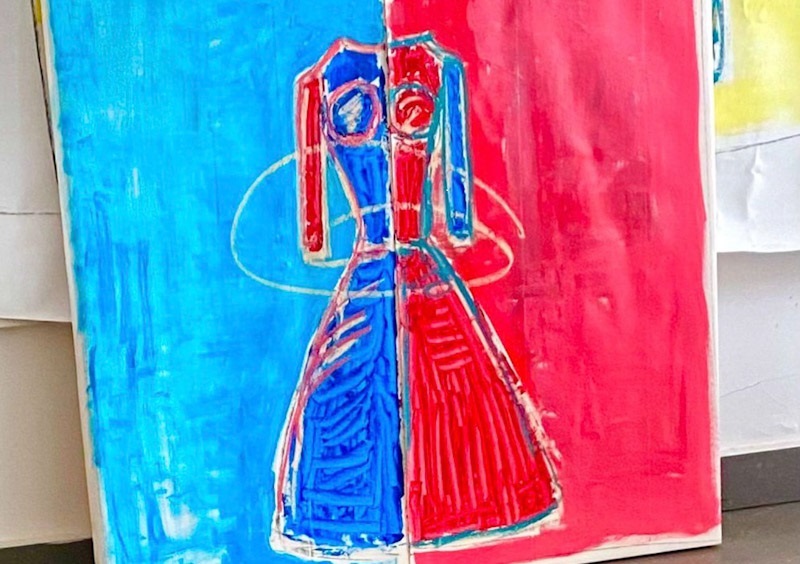
Mondragone Foundation / Claudia Piscitelli’s empty clothes: 10 works exploring female identity and the dance of emotions
‘I don’t care, I Am invisible’. Claudia Piscitelli’s ‘empty’ dresses at the Museum of Fashion in Naples. From the 14th of May until the 14th of September, ten works will be on display, exploring female archetypes through a blend of irony and memory.
The exhibition is curated by Barbara Crespigni (press conference tomorrow at 11am) and dedicated to Tito Piscitelli, who devoted his life to supporting and encouraging the free expression of Brazilian and Neapolitan children and young people through theatre.
Here are the works to be exhibited: “La vedova”/the widow, “L’amante”/the lover, “La viaggiatrice”/the traveller, “Biancaneve”/ Snow White, “The Sad Friend”, “The Bride”, “The Narcissist”, “The Intellectual”, “The Bipolar” and a central installation, “The Hypnotist”.
The artist explains: “The ‘empty’ dress has already been explored by important Italian and international artists of the calibre of Anselm Kiefer, but here the aim is to convey a woman’s perspective, and so the emotions associated with the clothes are more authentic and subtle, being the emotions of the artist herself, who is a woman. Once again, the sole male figure present—the “hypnotist”—engaged in a futile task because the essence of the clothes’ owners lies elsewhere, is a light-hearted and ironic way of capturing a problem—both current and ancient—of revolution, “supposed” submission and real escape in the dance of romantic relationships.”
The title refers to a well-defined position: the artist is invisible, cannot be seen, is hiding, or is simply not there. The viewer engages solely with the canvases, which provide the very key to interpreting this “I am invisible” concept. Yet the works manage to explore a serious theme in a light-hearted and even joyful manner.
Curator Barbara Crespigni concludes: “Claudia probes the depths of the psyche, she splits herself into possible characters. The clothes depicted on canvas and in the preparatory drawings are devoid of a human body; they stand alone and allude, each in its own way, to archetypes of the spirit. The artist’s spirit, certainly, but also, through a subtle play, our own spirit.”