

Classical collapse al Museo e Real Bosco di Capodimonte. Un progetto che continua a riscuotere, tanto che la mostra dedicata a Nicola Samorì è stata prorogata fino al 9 giugno. Nella rinnovata sala Causa.
Curatori di un progetto, che ha coinvolto anche la Pinacoteca Ambrosiana di Milano, sono Demetrio Paparoni, Alberto Rocca ed Eike Schmidt (Direttore del Museo e Real Bosco di Capodimonte),
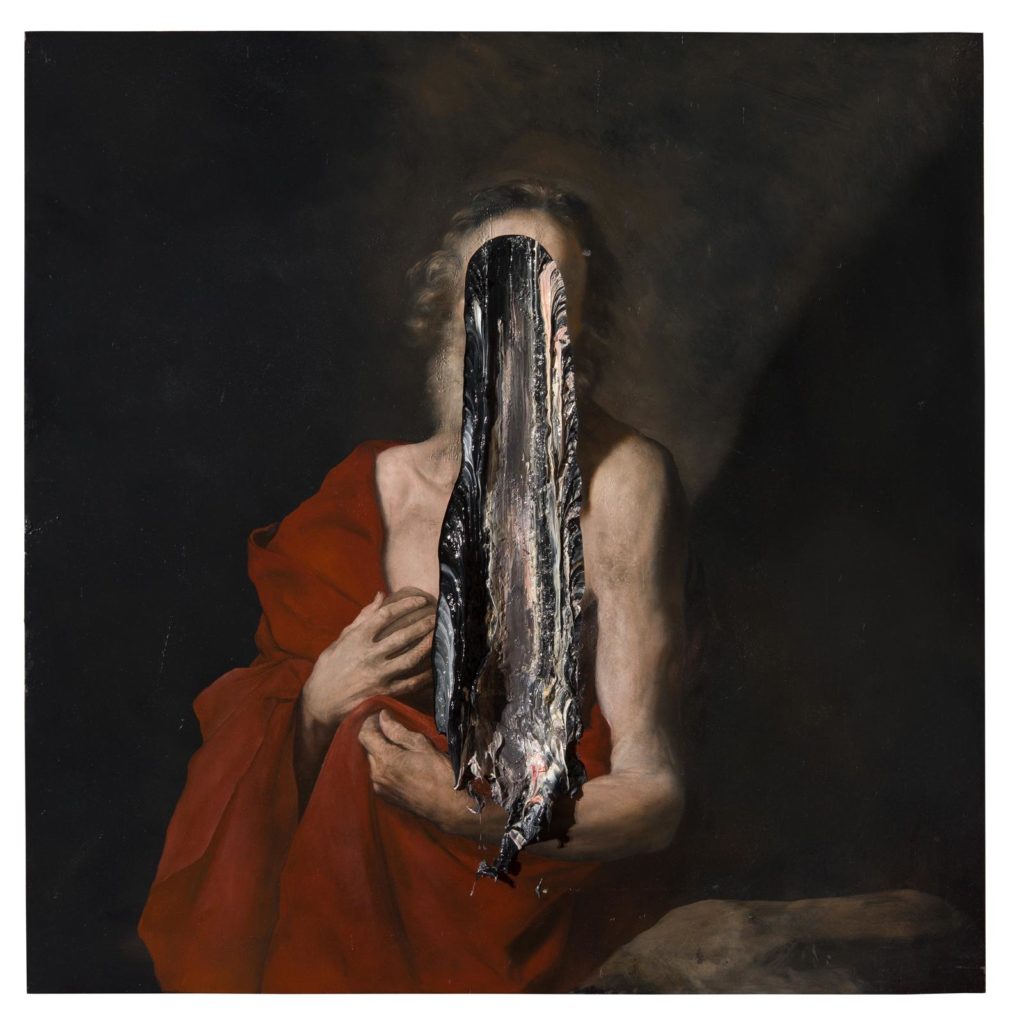
“Classical Collapse” intreccia visioni, rotture e interrogativi in un un viaggio in cui la tradizione diventa terreno di conflitto e dove squarci, ferite e stratificazioni materiche smontano e ricompongono il linguaggio classico, rivelandone fragilità e potenza.
La pelle, intesa come superficie pittorica e come metafora del corpo, è protagonista in opere che vanno dallo Scorticamento di Marsia (nelle versioni di José de Ribera e di Luca Giordano) alla Lucrezia di Parmigianino, fino alla sconvolgente rilettura delle stesse.
Dunque, attraverso oltre cinquanta opere di Samorì, accostate a numerosi capolavori selezionati dalle collezioni dei due musei, in scena è un intenso corpo a corpo tra la storia dell’arte e le sue riscritture, in un dialogo in cui il tempo cessa di essere confine e cornice, aprendo crepe che ne compromettono costantemente la leggibilità. L’arte cosiddetta classica e la sua continua metamorfosi sono al centro di questa doppia mostra che, pur articolandosi in due spazi distinti, è concepita all’interno di un progetto unitario guidato dalle stesse idee di base.
Ponte tra la grande tradizione pittorica e plastica e la sua reinvenzione nel presente, la mostra (visitabile anche con biglietto dedicato al costo di 5 euro) alterna creature di Samorì ai dipinti delle collezione del Museo in un percorso tra memoria della materia e memoria dell’immagine.
La Pinacoteca Ambrosiana, museo più antico di Milano e custode della memoria visiva di una città razionale, ordinata, di pensiero sistemico, incontra così il Museo di Capodimonte, immerso nella topografia pulsante di Napoli, che incarna un’eredità sensuale, barocca.
Due poli complementari della storia artistica italiana on un’unica riflessione articolata: quella sullo statuto della tradizione, sulla vitalità della sua forma e sulla possibilità di metterla in tensione con lo sguardo contemporaneo.
Capodimonte Museum and Royal Park/ Classical collapse: Samorì reinterprets masterpieces of the past. The exhibition has been extended until the 9th of June
Classical collapse at the Museum and Royal Forest of Capodimonte. A project that continues to be successful, so much so that the exhibition dedicated to Nicola Samorì has been extended until the 9th of June. In the renovated Causa room.
The curators of the project, which also involved the Pinacoteca Ambrosiana in Milan, are Demetrio Paparoni, Alberto Rocca and Eike Schmidt (Director of the Capodimonte Museum and Royal Park).
‘Classical collapse’ intertwines visions, ruptures and questions in a journey in which tradition becomes a field of conflict and where tears, wounds and material stratifications dismantle and recompose the classical language, revealing its fragility and power.
The skin, understood as a pictorial surface and as a metaphor for the body, is the protagonist in works ranging from The Flaying of Marsyas (in the versions by José de Ribera and Luca Giordano) to Parmigianino’s Lucrezia, up to the shocking reinterpretation of the same.
Thus, through more than fifty works by Samorì, juxtaposed with numerous masterpieces selected from the collections of the two museums, an intense confrontation between art history and its rewritings is staged, in a dialogue in which time ceases to be a boundary and a frame, opening cracks that constantly compromise its legibility. So-called classical art and its continuous metamorphosis are at the centre of this double exhibition which, although divided into two distinct spaces, is conceived within a unified project guided by the same basic ideas.
A link between the great pictorial and plastic tradition and its reinvention in the present, the exhibition (which can also be visited with a dedicated ticket costing €5) alternates Samorì’s creatures with paintings from the museum’s collection in a journey between the memory of matter and the memory of images.
The Pinacoteca Ambrosiana, Milan’s oldest museum and guardian of the visual memory of a rational, orderly city of systemic thought, meets the Capodimonte Museum, immersed in the pulsating topography of Naples, which embodies a sensual, baroque heritage.
Two complementary poles of Italian art history with a single articulated reflection: that on the status of tradition, on the vitality of its form and on the possibility of bringing it into tension with the contemporary gaze.
.