
Conversazioni domestiche per azioni pubbliche. Tutte le rivoluzioni cominciano da una conversazione. Parte da questo principio la piattaforma di ricerca e produzione culturale che dal 22 giugno all’8 luglio darà linfa a Napoli con una residenza artistica, tre incontri pubblici di caratura internazionale e laboratori aperti alla città.
A settembre l’iniziativa si concluderà con un intervento artistico disseminato tra i negozi e i luoghi del quotidiano. Il progetto, promosso e co-finanziato dal Comune di Napoli, nell’ambito della programmazione culturale 2026/2027, è a cura di Nicola Ciancio, cultural manager e fondatore di Ex-Voto e SuperOtium, con la consulenza artistica di Simona Da Pozzo e la consulenza scientifica di Giuliana Ciancio.
Conversazioni domestiche per azioni pubbliche rientra tra i 55 progetti che, nel quadro della Linea d’azione 2 del bando “Cultura Napoli 2026”, vivificheranno tutte le Municipalità cittadine fino al mese di marzo del 2027 per un investimento di 2 milioni di euro.
Gli appuntamenti si svolgeranno in tre realtà partenopee: La Santissima Community Hub, laboratorio creativo nato dalla rigenerazione temporanea dell’ex Ospedale Militare; Riot Studio, fucina di sperimentazione culturale nel cuore antico della città; e Dispaccio Art Book Shop, libreria indipendente del centro storico dedicata alle culture visive e all’editoria sperimentale
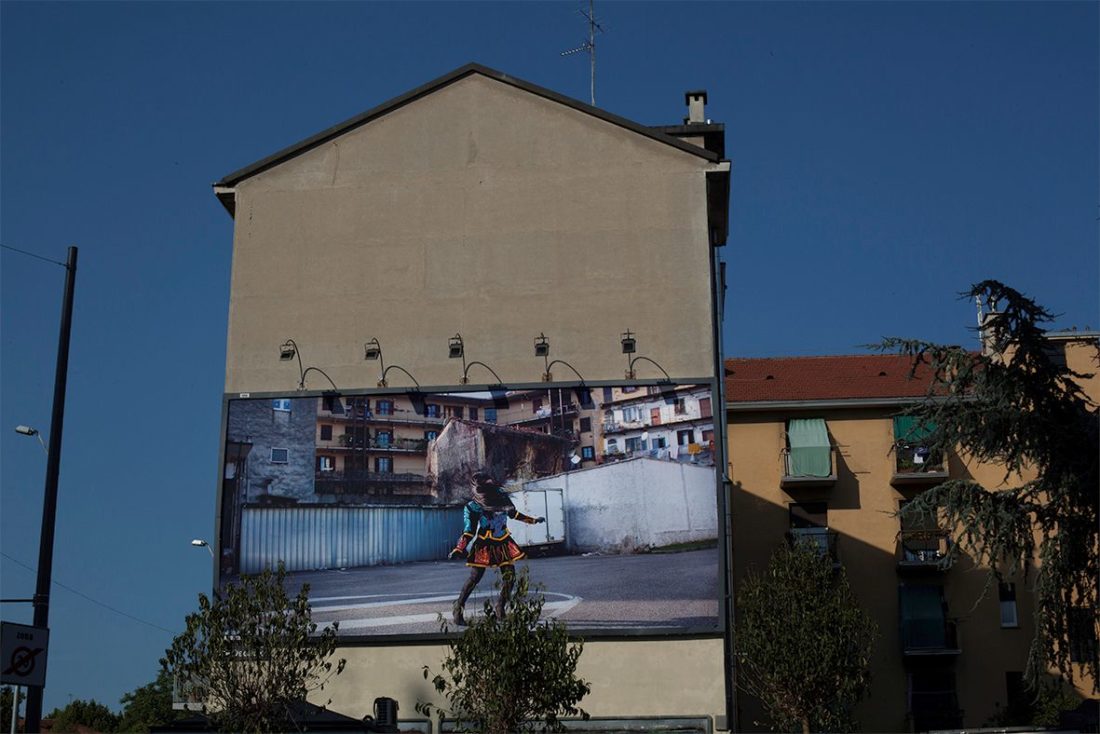
Al centro del progetto c’è Archivi domestici per azioni pubbliche, la residenza di Francesca Marconi, artista e ricercatrice PhD presso IED Milano, che inaugura il nuovo programma di residenze radical public culture. Marconi lavora su pratiche partecipative e situate (foto), costruite con e dentro le comunità.
Nei Quartieri Spagnoli raccoglierà fotografie, documenti, racconti e memorie custodite negli archivi personali degli abitanti, per interrogarli attraverso la metodologia della Critical Fabulation: un approccio che scava tra le memorie private alla ricerca delle “storie assenti”, ossia delle soggettività marginalizzate e delle narrazioni escluse dal racconto ufficiale della città, con uno sguardo critico anche alle trasformazioni imposte dal turismo di massa e dai processi di costruzione dell’immaginario urbano.
Tre laboratori – il 23 giugno, 29 giugno e 6 luglio, dalle ore 16 alle ore 20, negli spazi della Santissima Community Hub – aperti a studenti, artisti e abitanti, faranno parte integrante del processo creativo.
I materiali raccolti confluiranno nell’intervento artistico finale che in autunno verrà installato e presentato pubblicamente, disseminato tra esercizi commerciali e luoghi di prossimità, per restituire al quartiere le proprie memorie in forma d’arte. Ad affiancare la residenza, tre incontri pubblici con voci nazionali e internazionali, tutti alle ore 18.30 e aperti gratuitamente alla città.
Il primo luglio, in collaborazione con La Santissima Community Hub, La ricerca dell’invisibile mette a confronto Gabi Scardi – storica dell’arte, curatrice e direttrice artistica del progetto nctm e l’arte –, Tiziana Pers, co-fondatrice di RAVE East Village Artist Residency e artista che indaga le relazioni tra umano e più-che-umano in prospettiva antispecista, Simona Da Pozzo, artista visiva e ricercatrice che lavora nel campo del video e della performance, Susanna Ravelli, progettista culturale con un profilo che spazia dalla Biennale di Venezia a Casa degli Artisti, e il filosofo Nicola Capone, co-fondatore del network Ecologie Politiche del Presente. Il tema è il ruolo dell’arte contemporanea nel rendere visibili ecologie, relazioni e soggettività rimaste ai margini dello spazio sociale.
Il 2 luglio, da Dispaccio Art Book Shop, arriva Pascal Gielen, professore ordinario di sociologia della cultura all’Università di Anversa e curatore della collana internazionale Antennae / Arts in Society per Valiz. Con il talk Space for Plurality proporrà una riflessione sul ruolo di arte e cultura nella costruzione di spazi democratici e inclusivi, in un incontro che è anche occasione per presentare il suo nuovo libro In absence of bombs.
L’8 luglio, con Riot Studio, Arte e conflitto porta a Napoli Ika Sienkiewicz-Nowacka, responsabile del Dipartimento Residenze del Centro d’Arte Contemporanea del Castello Ujazdowski di Varsavia, Paolo Favero, professore di Culture visive e Antropologia all’Università di Anversa, e Vera Vita Gioia, critica d’arte e fondatrice della galleria capnapoliest nella periferia est di Napoli.
Al centro del confronto: come pratiche artistiche e linguaggi visivi possano costruire spazi di dialogo e cittadinanza attiva nei contesti segnati da trasformazione e conflitto.
The project/ Domestic Conversations for Public Action: Francesca Marconi takes the Quartieri Spagnoli as her starting point to build a living archive and spaces for dialogue
Domestic conversations for public action. All revolutions begin with a conversation. This is the principle underpinning the research and cultural production platform which, from 22 June to 8 July, will breathe new life into Naples with an artist-in-residence programme, three public events of international calibre and workshops open to the city.
In September, the initiative will conclude with an artistic intervention spread across shops and everyday venues. The project, promoted and co-funded by the City of Naples as part of its 2026/2027 cultural programme, is curated by Nicola Ciancio, cultural manager and founder of Ex-Voto and SuperOtium, with artistic consultancy from Simona Da Pozzo and scientific consultancy from Giuliana Ciancio.
‘Domestic Conversations for Public Actions’ is one of 55 projects which, under Action Line 2 of the ‘Cultura Napoli 2026’ call for proposals, will breathe new life into all the city’s municipalities until March 2027, with an investment of 2 million euros.
The events will take place at three venues in Naples: La Santissima Community Hub, a creative workshop born out of the temporary regeneration of the former Military Hospital; Riot Studio, a hotbed of cultural experimentation in the historic heart of the city; and Dispaccio Art Book Shop, an independent bookshop in the historic centre dedicated to visual cultures and experimental publishing.
At the heart of the project is *Domestic Archives for Public Actions*, the residency by Francesca Marconi, an artist and PhD researcher at IED Milan, which launches the new *radical public culture* residency programme. Marconi works on participatory and site-specific practices, developed with and within communities.
In the Quartieri Spagnoli, she will collect photographs, documents, stories and memories preserved in the personal archives of local residents, examining them through the methodology of Critical Fabulation: an approach that delves into private memories in search of ‘absent stories’ – that is, marginalised subjectivities and narratives excluded from the city’s official narrative – whilst also taking a critical look at the transformations imposed by mass tourism and the processes of constructing the urban imagination.
Three workshops – on the 23rd, the 29th of June and the 6th July, from 4 pm to 8 pm, at the Santissima Community Hub – open to students, artists and local residents, will form an integral part of the creative process.
The material gathered will be incorporated into the final artistic installation, which will be installed and presented to the public in the autumn, spread across local shops and community spaces, to return the neighbourhood’s memories to it in the form of art. Alongside the residency, there will be three public events featuring national and international speakers, all at 6.30 pm and open to the public free of charge.
On the first of July, in collaboration with La Santissima Community Hub, *La ricerca dell’invisibile* brings together Gabi Scardi – art historian, curator and artistic director of the *nctm e l’arte* project – Tiziana Pers, co-founder of RAVE East Village Artist Residency and an artist who explores the relationships between the human and the more-than-human from an anti-speciesist perspective, Simona Da Pozzo, a visual artist and researcher working in the fields of video and performance; Susanna Ravelli, a cultural programmer whose work ranges from the Venice Biennale to Casa degli Artisti; and the philosopher Nicola Capone, co-founder of the Ecologie Politiche del Presente network.
The theme is the role of contemporary art in making visible ecologies, relationships and subjectivities that have remained on the margins of social space.
On the 2nd of July, Dispaccio Art Book Shop will welcome Pascal Gielen, full professor of the sociology of culture at the University of Antwerp and editor of the international series ‘Antennae / Arts in Society’ for Valiz. In his talk ‘Space for Plurality’, he will offer a reflection on the role of art and culture in the construction of democratic and inclusive spaces, in an event that also serves as an opportunity to present his new book *In absence of bombs*.
On the 8th of July, in collaboration with Riot Studio, ‘Art and Conflict’ brings to Naples Ika Sienkiewicz-Nowacka, head of the Residency Department at the Ujazdowski Castle Centre for Contemporary Art in Warsaw; Paolo Favero, professor of Visual Cultures and Anthropology at the University of Antwerp; and Vera Vita Gioia, art critic and founder of the capnapoliest gallery on the eastern outskirts of Naples.
The focus of the discussion will be on how artistic practices and visual languages can create spaces for dialogue and active citizenship in contexts marked by transformation and conflict.