
Una signora gentile e riservata. Che ha nelle sue mani un tesoro: la capacità di plasmare la bellezza contemplando la realtà con il suo sguardo curioso e appassionato.
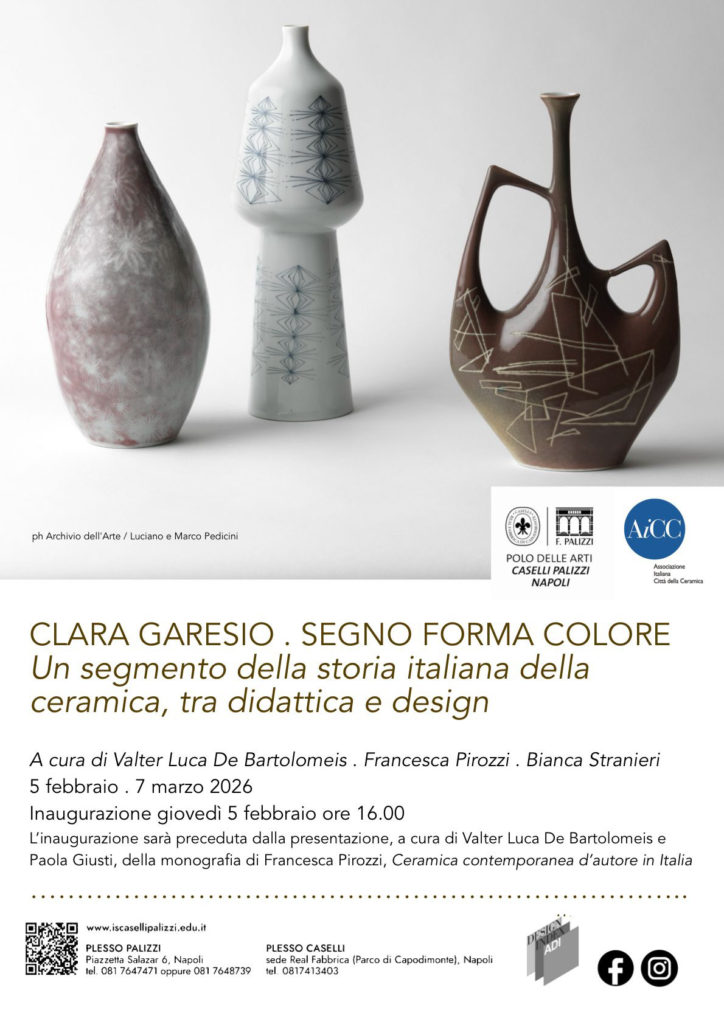
A renderle omaggio è in questi giorni, fino al 7 marzo, la mostra Clara Garesio. Segno forma colore. Un segmento della storia italiana della ceramica, tra didattica e design proposta nella sezione contemporanea del Museo artistico industriale F. Palizzi, in piazzetta Salazar, alle spalle dell’imponente Palazzo reale di Napoli. L’esposizione è curata da Valter Luca De Bartolomeis, Francesca Pirozzi (figlia dell’artista) e Bianca Stranieri.
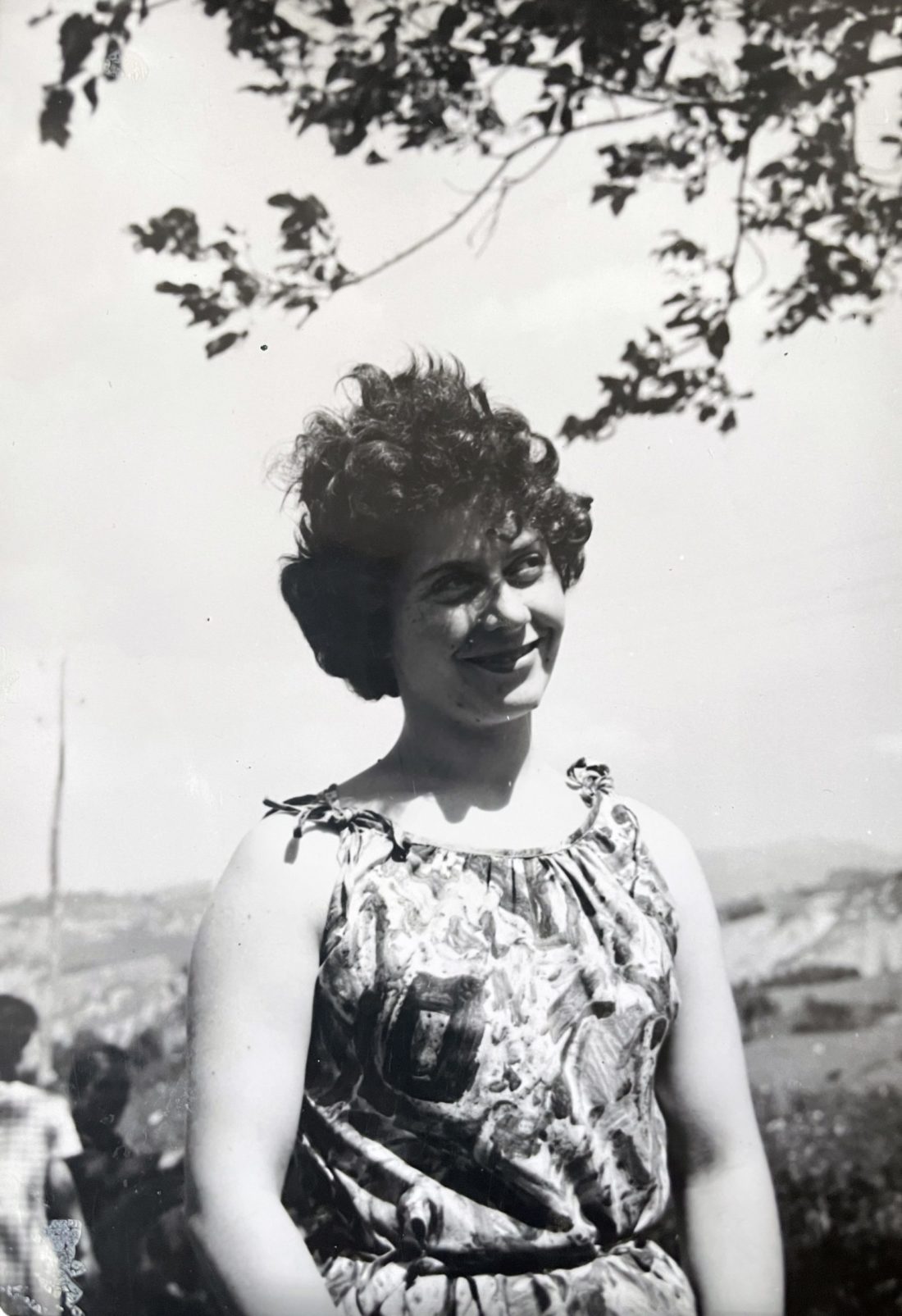
Torinese di nascita (1938), all’ombra del Vesuvio. l’artista (foto) ha formato la propria famiglia sposando lo scultore Giuseppe Pirozzi: da questa unione sono nati Francesca e Gianluca. Una mente continuamente in fermento artistico ancora oggi, ma la mostra si concentra su alcuni aspetti fondamentali della didattica e del design negli anni del dopoguerra, tra i quali la nuova concezione della scuola dove l’apprendimento del fare si traduce nella capacità di pensare la forma, sperimentando nuovi valori estetici e contenutistici.
Protagonista, l’oggetto in ceramica collegato però al panorama internazionale delle arti visive: emerge, così, la capacità di una donna di offrire un contributo significativo all’evoluzione del design dominato dalla presenza maschile.
Garesio è un talento precoce. Nel 1957 conclude la sua formazione all’Istituto d’Arte per la Ceramica G. Ballardini di Faenza, ma nel frattempo si è distinta per sua capacità di produzione, ottenendo importanti riconoscimenti come il Primo Premio al XIV Concorso Nazionale della Ceramica di Faenza. Fino a imboccare la strada dell’insegnamento che la porta poi all’Istituto professionale di Stato per l’Industria e l’Artigianato della Porcellana G. Caselli che a Napoli sta muovendo i primi passi verso l’innovazione della porcellana di Capodimonte, partendo dalla tradizione.
L’esposizione, che ha il merito di storicizzare la sua forza creativa in un’Italia che aveva voglia e energia per proiettarsi nel futuro, punta su testimonianze ceramiche e grafiche di rara accuratezza che dialogano con le preziose opere della collezione permanente contemporanea del Museo Palizzi. Elaborati grafici, che documentano lo studio di moduli per oggetti, motivi ornamentali e sagome di vasellame, a cui si affiancano monotipi ceramici nati dall’idea progettuale dell’artista e da lei eseguiti in forma e decoro, secondo un personale linguaggio decorativo che guarda in avanti.
Industrial Art Museum. Palizzi/Clara Garesio: the innovative power of ceramics. Between education and design
A kind and discreet lady. She holds a treasure in her hands: the ability to shape beauty by contemplating reality with her curious and passionate gaze.
The exhibition Clara Garesio. Segno forma colore (Clara Garesio. Sign, form, colour) pays tribute to her until the 7th of March. A segment of Italian ceramic history, between education and design, is on display in the contemporary section of the F. Palizzi Museum of Industrial Art, in Piazzetta Salazar, behind the imposing Royal Palace of Naples. The exhibition is curated by Valter Luca De Bartolomeis, Francesca Pirozzi (the artist’s daughter) and Bianca Stranieri.
Born in Turin in 1938, she formed her family in the shadow of Vesuvius by marrying the sculptor Giuseppe Pirozzi: Francesca and Gianluca were born from this union. Her mind is still constantly buzzing with artistic ideas today, but the exhibition focuses on some fundamental aspects of teaching and design in the post-war years, including the new concept of school where learning to do translates into the ability to think about form, experimenting with new aesthetic and content values.
The protagonist is the ceramic object, but linked to the international visual arts scene: thus emerges the capacity of a woman to make a significant contribution to the evolution of design, a field dominated by men.
Garesio was a precocious talent. In 1957, she completed her training at the G. Ballardini Institute of Ceramic Art in Faenza, but in the meantime she had already distinguished herself for her production skills, winning important awards such as First Prize at the 14th National Ceramics Competition in Faenza. She then embarked on a career in teaching, which led her to the G. Caselli State Professional Institute for the Porcelain Industry and Crafts in Naples, which was taking its first steps towards innovating Capodimonte porcelain, starting from tradition.
The exhibition, which has the merit of historicising her creative force in an Italy that had the desire and energy to project itself into the future, focuses on ceramic and graphic works of rare accuracy that dialogue with the precious works of the Palizzi Museum’s permanent contemporary collection. Graphic works documenting the study of modules for objects, ornamental motifs and tableware shapes are accompanied by ceramic monotypes based on the artist’s design ideas and executed by her in form and decoration, according to a personal decorative language that looks to the future.