
Universo di pace. Parte da questo tema la diciannovesima edizione del Campania Teatro Festival. Un invito alla speranza in un mondo minacciato dall’odio e flagellato da conflitti.
Dal 12 giugno al 12 luglio, la longeva rassegna culturale finanziata dalla Regione (ai 3 milioni e mezzo dell’ente territoriale si aggiunge anche il contributo di 500mila euro del Mic) , che ha sfidato tanti cambiamenti politici, riesce, anche in questo tempestoso 2026, a mandare in porto una nave imponente, varando 105 appuntamenti e proponendo 67 debutti assoluti tra teatro, musica e danza.
Diretto da Ruggero Cappuccio, organizzato dalla Fondazione Campania dei Festival, presieduta da Alessandro Barbano, col la veste grafica rinnovata ancora una volta dall’artista Mimmo Paladino, il festival non delude il suo pubblico presentando ancora nomi internazionali, oltre a tanti protagonisti della scena italiana.
Palazzo reale sarà di nuovo un punto di riferimento degli spettacoli anche se la proposta è diffusa in molti luoghi teatrali cittadini, come di consuetudine.
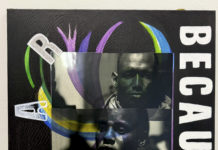
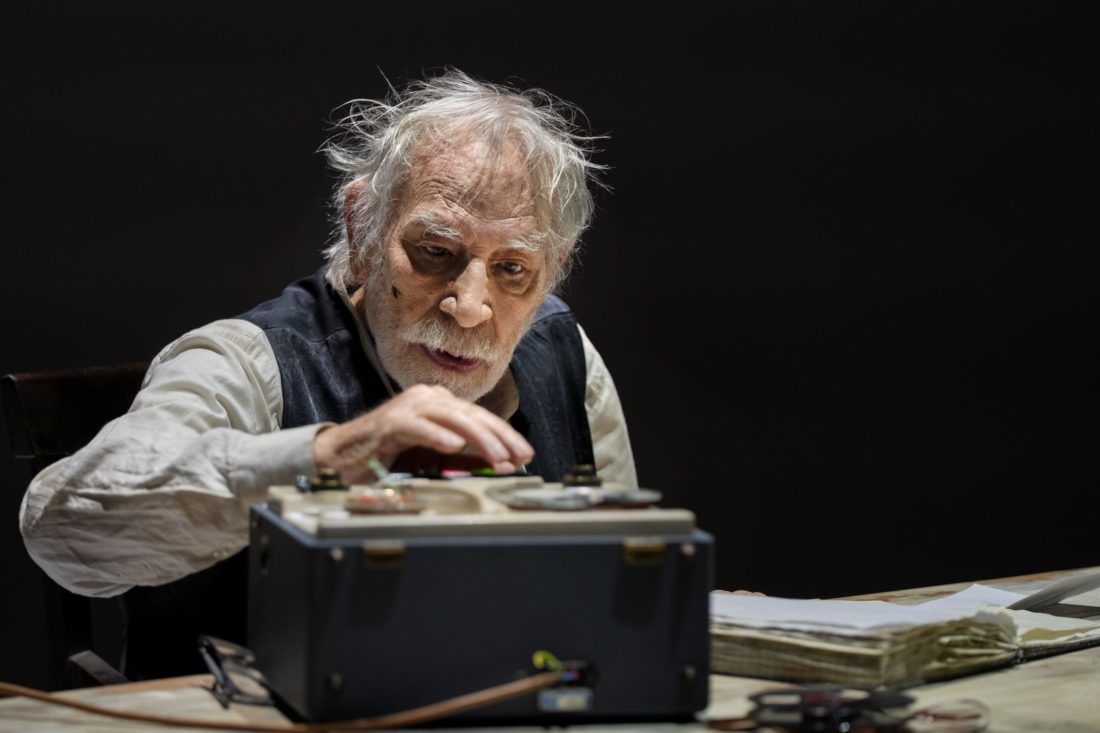
A inaugurare il festival è il bellissimo palcoscenico del teatro Mercadante venerdì 12 giugno (con replica il 13) dove Roberto Andò mette insieme “L’ultimo nastro di Krapp” di Samuel Beckett con “Press conference” di Harold Pinter in un dittico che indaga il rapporto fra parola, memoria e potere, interpretato da Renato Carpenieri.
“L’ultimo nastro di Krapp” ruota intorno a un dialogo impossibile: un uomo ascolta la propria voce registrata trent’anni prima e si confronta con il fantasma di sé stesso. La parola diventa archivio, traccia, residuo e la memoria un campo di battaglia. Krapp “archivista del nulla” sospeso tra ironia e struggimento, tra lucidità e disfatta.
In ideale e inquietante controcanto, “Press conference” che sposta il conflitto dalla sfera privata a quella pubblica. Il portavoce governativo risponde ai giornalisti con frasi melliflue e feroci, evidenziando, attraverso l’ironia tagliente di Pinter, la manipolazione del linguaggio politico e il potere come dispositivo di controllo.
Se in Beckett la voce registrata scava nell’identità fino a rivelarne il vuoto, in Pinter la voce ufficiale costruisce un vuoto di senso per esercitare dominio. Due solitudini diverse, quella dell’uomo davanti al proprio tempo perduto e quella dell’uomo di potere davanti alla verità, compongono così un unico discorso teatrale sulla responsabilità della parola. Co-prodotto dalla Fondazione Campania dei Festival.
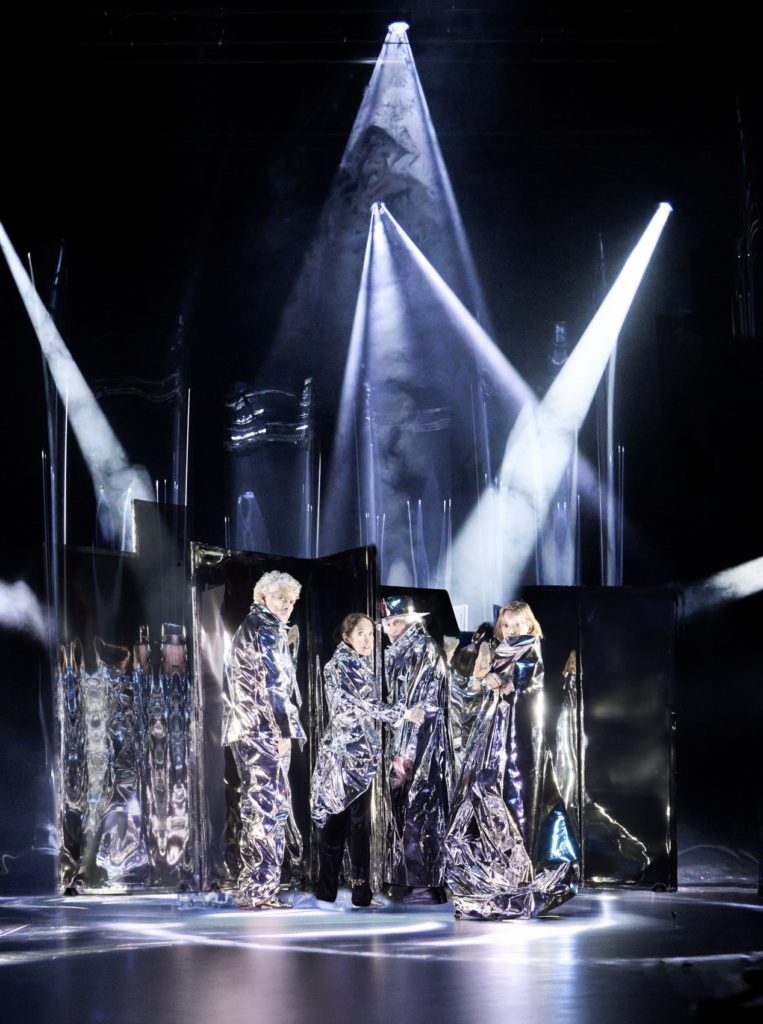
Tra i lavori internazionali, spicca “Rendez-vous” di e con Victoria Thierrée-Chaplin (figlia del mitico Charlot), Jean-Baptiste, Aurélia e James Thierrée, in scena il 17 e il 18 giugno al teatro Mercadante di Napoli. Dalla nascita del Cirque Bonjour nel 1971 al Cirque Invisible, passando per La Symphonie du Hanneton, Aurelia’s Oratorio, Raoul e Murmures des murs, “Rendez-vous” scatena un fuoco d’artificio di istanti rubati, in cui la fantasia regna sovrana. Un singolare appuntamento, una storia intima di circo, teatro e music-hall, dove gli artisti aprono il loro album di famiglia e, nel corso di una traversata onirica, rivisitano frammenti dei loro spettacoli passati.
Torna il progetto speciale “Il Sogno Reale. I Borbone di Napoli”, ideato da Ruggero Cappuccio e prodotto dalla Fondazione Campania dei Festival, che sarà ospitato, non a caso, nel Cortile delle Carrozze di Palazzo Reale a Napoli dal 22 giugno.
I cinque scrittori che propongono i loro testi per una lettura drammatizzata sono Enza Silvestrini, Giuseppe Rocca, Claudio Di Palma, Vladimiro Bottone e Luisa Stella affidati alle voci di Cloris Brosca, Imma Villa con la partecipazione di Cecilia Lupoli e Claudio Di Palma con musiche eseguite dal vivo da Massimiliano Sacchi e Ernesto Nobili, Cristina Donadio, Enrico Ianniello.
Sono 5 gli appuntamenti nella sezione Sportopera, la rassegna a tema sportivo diretta da Claudio Di Palma e organizzata da Vesuvioteatro, che avrà come unico scenario il Cortile delle Carrozze di Palazzo Reale. Un Festival nel Festival che quest’anno avrà come filo conduttore i numeri. Quelli che misurano la prestazione sportiva, qualificano il valore e l’esito del gesto atletico, ma spesso indicano anche l’identità di alcuni campioni: battezzeremo sempre il 10 Maradona o Pelé, il 23 Michael Jordan, il 46 Valentino Rossi o il 3 Baby Ruth nel baseball.
Inaugura la sezione sportiva il 29 giugno “ME, WE, ALĺ –Concerto”, melologo scritto e interpretato da Claudio Di Palma, che lo porta in scena con Enrico Valanzuolo (tromba), Gianluigi Montagnaro (effetti e voce), visual di Luigi Marmo. ME, WE è una poesia bisillabica, la più breve al mondo, composta dal genio della boxe Muhammad Alì. ME, WE, ALĺ. I suoi tre round: un desiderio alle stelle che si realizza, uno storico rifiuto che lo sconfigge, l’inevitabile ritorno che lo rende eterno.
Da non perdere, infine, ‘A cantata d’ ‘o ccafè di Johann Sebastian Bach, opera buffa napoletana con Lalla Esposito nel Cortile delle carrozze
12 luglio alle 21.
I biglietti per assistere agli spettacoli saranno in vendita online a partire dalle 11 del 5 giugno 2 ma potranno anche essere acquistati alla biglietteria centrale di via Chiaia 45-47 di Napoli. Il ticket continuerà ad avere un costo da 5 a 8 euro, con ingresso gratuito per alcune categorie sociali, proseguendo nella politica di prezzi popolari tracciata negli anni scorsi.
Per saperne di più
Learn more
https://campaniateatrofestival.it/edizione-2026/
Campania Teatro Festival/ A Universe of Peace and Beauty. Roberto Andò opens the festival with “Krapp’s Last Tape,” performed by Renato Carpentieri
Universe of Peace. This is the theme of the nineteenth edition of the Campania Teatro Festival. A call to hope in a world threatened by hatred and plagued by conflict.
From June 12th to July 12th, the long-running cultural festival funded by the Region (€3.5 million from the local authority is matched by a €500,000 contribution from the MIC), which has defied many political changes, manages, even in this stormy 2026, to bring an impressive ship to shore, launching 105 events and presenting 67 first-time performances across theater, music, and dance.
Directed by Ruggero Cappuccio, organized by the Fondazione Campania dei Festival, chaired by Alessandro Barbano, and with its graphic design once again revamped by artist Mimmo Paladino, the festival does not disappoint its audience, once again presenting international names, in addition to many protagonists of the Italian scene.
The Royal Palace in Naples will once again be a hub for performances, although the program is currently being held in many of the city’s theaters, as is customary.
The festival opens on the beautiful stage of the Teatro Mercadante on Friday, June 12th (with a repeat performance on the 13th), where Roberto Andò brings together Samuel Beckett’s “Krapp’s Last Tape” and Harold Pinter’s “Press Conference” in a diptych that explores the relationship between words, memory, and power, performed by Renato Carpenieri.
“Krapp’s Last Tape” revolves around an impossible dialogue: a man listens to his own voice recorded thirty years earlier and confronts the ghost of his former self. The word becomes an archive, a trace, a residue, and memory becomes a battlefield. Krapp, the “archivist of nothingness,” is suspended between irony and yearning, between lucidity and defeat.
In an ideal and disquieting counterpoint, “Press Conference” shifts the conflict from the private to the public sphere. The government spokesman responds to journalists with smooth yet scathing remarks, highlighting, through Pinter’s cutting irony, the manipulation of political language and power as a means of control.
If in Beckett the recorded voice delves into identity until it reveals its emptiness, in Pinter the official voice constructs a void of meaning to exert domination. Two different solitudes, that of the man facing his lost time and that of the man of power facing the truth, thus compose a single theatrical discourse on the responsibility of speech. Co-produced by the Fondazione Campania dei Festival.
Among the international works, “Rendez-vous” stands out, by and starring Victoria Thierrée-Chaplin (daughter of the legendary Charlot), Jean-Baptiste, Aurélia, and James Thierrée, on stage June 17th and 18th at the Teatro Mercadante in Naples. From the birth of Cirque Bonjour in 1971 to Cirque Invisible, passing through La Symphonie du Hanneton, Aurelia’s Oratorio, Raoul, and Murmures des murs, “Rendez-vous” unleashes a firework of stolen moments, where fantasy reigns supreme. A unique event, an intimate history of circus, theater, and music hall, where the artists open their family albums and, during a dreamlike journey, revisit fragments of their past performances.
The special project “The Royal Dream. The Bourbons of Naples,” conceived by Ruggero Cappuccio and produced by the Fondazione Campania dei Festival, returns. It’s no coincidence that it will be hosted in the Cortile delle Carrozze of the Royal Palace in Naples starting June 22nd.
The five authors submitting their texts for a dramatized reading are Enza Silvestrini, Giuseppe Rocca, Claudio Di Palma, Vladimiro Bottone, and Luisa Stella, performed by Cloris Brosca; Imma Villa, featuring Cecilia Lupoli and Claudio Di Palma, with music performed live by Massimiliano Sacchi and Ernesto Nobili; Cristina Donadio, and Enrico Ianniello.
There are five events in the Sportopera section, the sports-themed festival directed by Claudio Di Palma and organized by Vesuvioteatro, which will have as its sole setting the Cortile delle Carrozze of the Royal Palace. A Festival within a Festival, this year’s theme will be numbers. Numbers measure sporting performance, define the value and outcome of athletic achievement, but they also often indicate the identity of certain champions: we will always name Maradona or Pelé as number 10, Michael Jordan as number 23, Valentino Rossi as number 46, or Baby Ruth in baseball as number 3.
The sports section opens on June 29th with “ME, WE, ALĺ – Concerto,” a melodrama written and performed by Claudio Di Palma, who brings it to the stage with Enrico Valanzuolo (trumpet), Gianluigi Montagnaro (effects and vocals), and visuals by Luigi Marmo. ME, WE is a bisyllabic poem, the shortest in the world, composed by boxing genius Muhammad Ali. ME, WE, ALĺ. His three rounds: a wish fulfilled, a historic rejection that defeats him, the inevitable return that makes him eternal.
Finally, don’t miss ‘A cantata d’ ‘o ccafè’ by Johann Sebastian Bach, a Neapolitan comic opera with Lalla Esposito in the Cortile delle carrozze.
Finally, don’t miss ‘A cantata d’ ‘o ccafè’ by Johann Sebastian Bach, a Neapolitan opera buffa with Lalla Esposito in the Cortile delle carrozze.
July 12th at 9:00 PM.
Tickets for the performances will be on sale online starting at 11:00 AM on June 5th, but can also be purchased at the main box office at Via Chiaia 45-47 in Naples. Tickets will continue to cost between €5 and €8, with free admission for certain social groups, continuing the popular pricing policy established in recent years.
.
.