
Fotografare è riconoscere nello stesso istante e in una frazione di secondo un evento e il rigoroso assetto delle forme percepite con lo sguardo che esprimono e significano tale evento. È porre sulla stessa linea di mira la mente, gli occhi e il cuore. È un modo di vivere.
Henri Cartier-Bresson, pioniere del fotogiornalismo nel secolo scorso, traccia, così, in maniera efficace le ragioni di uno scatto. Un’esperienza sensoriale, la sua, come quella vissuta da Andrea De Fusco con le immagini raccolte volume fotografico pubblicato lo scorso luglio per Humboldt Books, dal titolo Laurana Napoli Eolie.
Il libro sarà presentato domani venerdì 7 agosto, negli spazi dello Studio Casoli di Filicudi, alle 19:30. Il cuore del progetto è rappresentato dal viaggio in nave tra Napoli e le Isole Eolie. Regista e filmaker, De Fusco ha voluto cristallizzarlo in polaroid, attraverso uno sguardo sospeso e poetico.
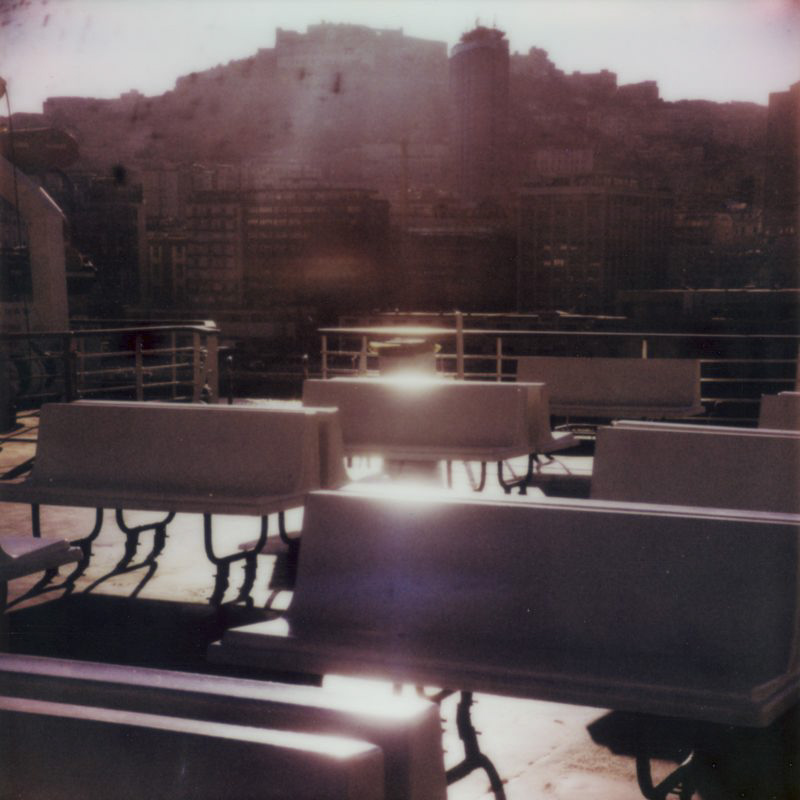
Oltre 90 foto, accumulato nell’arco di cinque anni, lungo traversate, stagioni e anni diversi che restituiscono piccoli scorci del viaggio, dai dettagli della nave ai profili in controluce dei passeggeri fino ai paesaggi urbani della partenza e quelli naturali dell’arrivo.
«La polaroid – sottolinea De Fusco – è il formato che rimanda subito alla testimonianza. È un documento tangibile, che richiama l’istantanea di viaggio degli anni Settanta».
La Laurana è il traghetto che copre la tratta Napoli-Eolie e che dà il titolo al libro. «L’ispirazione – spiega l’autore- è arrivata da mio fratello Giacomo, che ha poi curato i testi del libro, quando mi ha parlato del concetto di “eterotopia” di Foucault e di una delle eterotopie per eccellenza: la nave».
Le immagini, talvolta ingrandite fino a perdere il soggetto e fino a dissolversi in un paesaggio astratto, sono, infatti, accompagnate dai testi firmati proprio da Giacomo De Fusco. Brevi frasi, non esplicative, più vicine alla suggestione di un voice over cinematografico che alla didascalia vera e propria, capaci di rilanciare una riflessione sugli spazi e sul tempo, sui riferimenti che scompaiono a bordo, tra un porto e l’altro, quando la nave èun mondo a sé.
Gli scatti sono uniti da una cronologia di rotta: dalla banchina di Napoli fino all’approdo di Panarea. Le foto, così, riordinate lungo il tragitto, restituiscono l’illusione di un unico viaggio, benché scattate in mesi e anni diversi e ormai prive della loro reale sequenza.
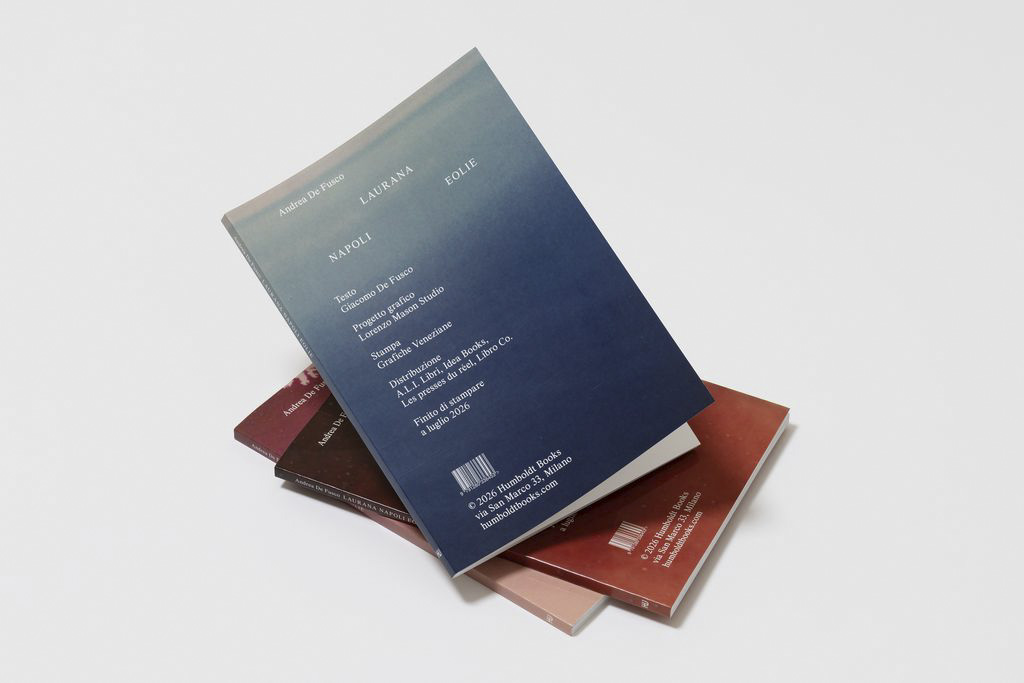
From Naples to the Aeolian Islands via the Laurana ferry, Andrea De Fusco captures the essence of this journey with 90 Polaroid photographs
Taking pictures is recognizing at the same instant and in a fraction of a second an event and the rigorous arrangement of the forms perceived with the gaze that express and signify that event. It is putting the mind, eyes and heart on the same line of sight. It’s a way of life.
Henri Cartier-Bresson, a pioneer of photojournalism in the last century, effectively traces the reasons for a shot. His sensory experience is like that experienced by Andrea De Fusco with the images collected in a photographic volume published last July by Humboldt Books, entitled Laurana Napoli Eolie.
The book will be presented tomorrow, Friday, August 7th, at 7:30 pm at Studio Casoli in Filicudi. The heart of the project is represented by the ship journey between Naples and the Aeolian Islands. Director and filmmaker, De Fusco wanted to crystallize it in Polaroid, through a suspended and poetic gaze.
Over 90 photos, accumulated over five years, along different crossings, seasons, and years that provide small glimpses of the journey, from the ship’s details to the backlit profiles of the passengers to the urban landscapes of the departure and the natural landscapes of the arrival.
«Polaroid – De Fusco underlines – is the format that immediately refers to the testimony. It is a tangible document, recalling the travel snapshot of the 1970s».
The Laurana is the ferry that covers the Naples-Aeolian route and gives the book its title. «The inspiration – explains the author – came from my brother Giacomo, who then edited the texts of the book, when he told me about Foucault’s concept of “heterotopia” and one of the heterotopias par excellence: the ship».
The images, sometimes enlarged until they lose their subject and dissolve into an abstract landscape, are, in fact, accompanied by texts signed by Giacomo De Fusco himself. Short, non-explanatory sentences, closer to the suggestion of a cinematic voiceover than to the actual caption, capable of relaunching a reflection on spaces and time, on the references that disappear on board, between one port and another, when the ship is a world unto itself.
The shots are linked by a chronology of route: from the Naples dock to the Panarea landing place. The photos, thus rearranged along the route, convey the illusion of a single journey, even though they were taken in different months and years.